Category: Medications - Page 2
Feb 12, 2026
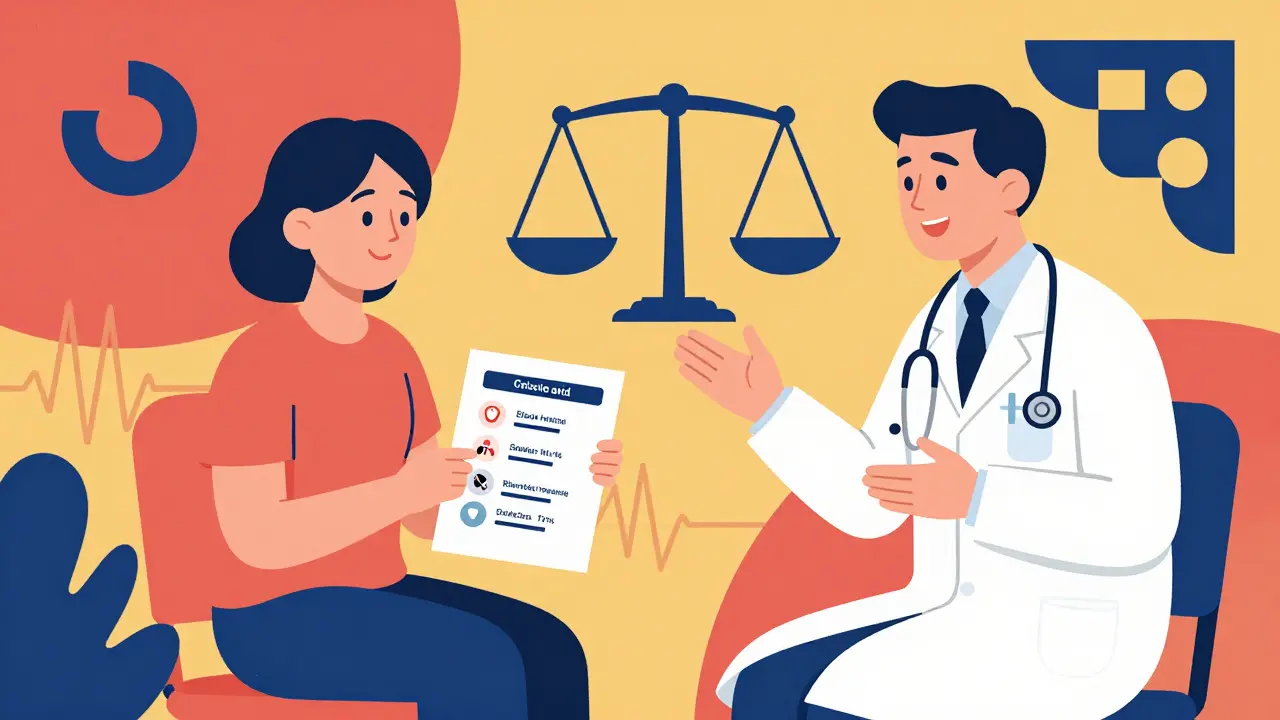
Patient Decision Aids: How They Improve Medication Safety and Reduce Errors
13 Comments
Patient decision aids help people understand medication options, reduce confusion, and prevent dangerous errors. Evidence shows they improve knowledge, adherence, and decision quality - especially for chronic conditions like diabetes and heart disease.
Read MoreFeb 7, 2026
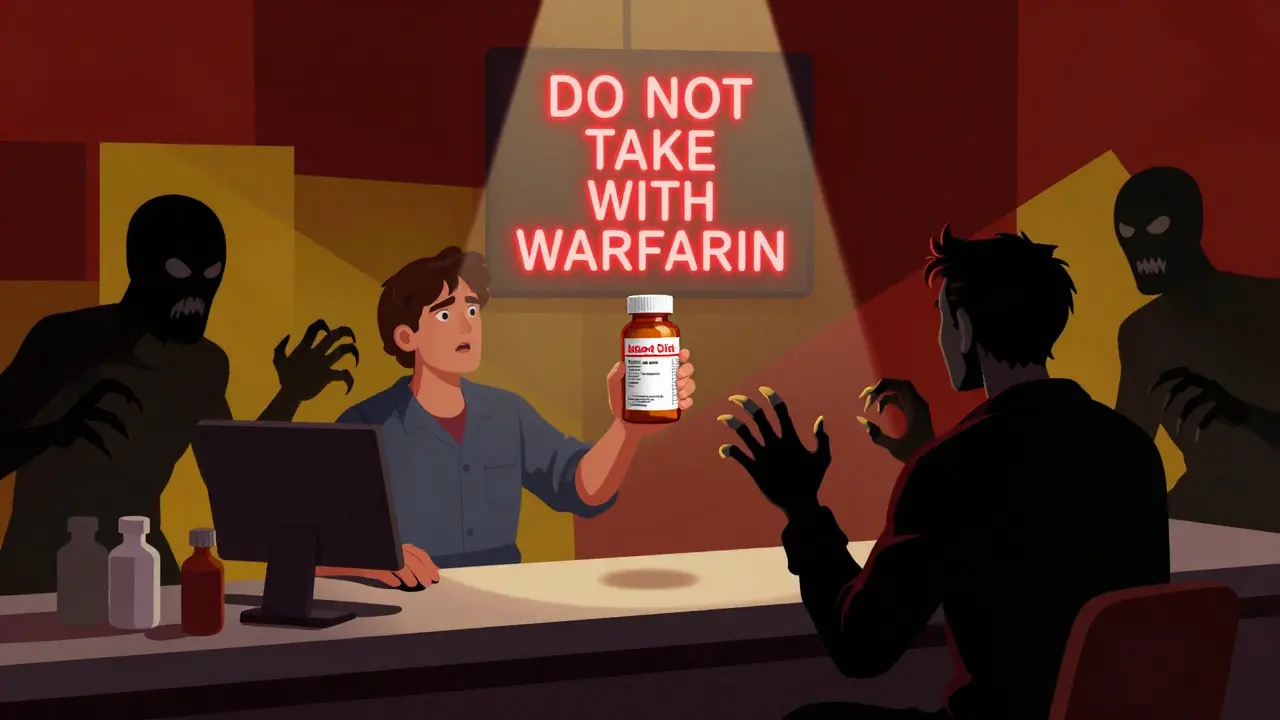
How to Use Prescription Label Information to Prevent Drug Interactions
12 Comments
Learn how to read prescription labels to avoid dangerous drug interactions. Know where to look, what phrases mean, and how to protect yourself from hidden risks with OTC meds and supplements.
Read MoreFeb 4, 2026
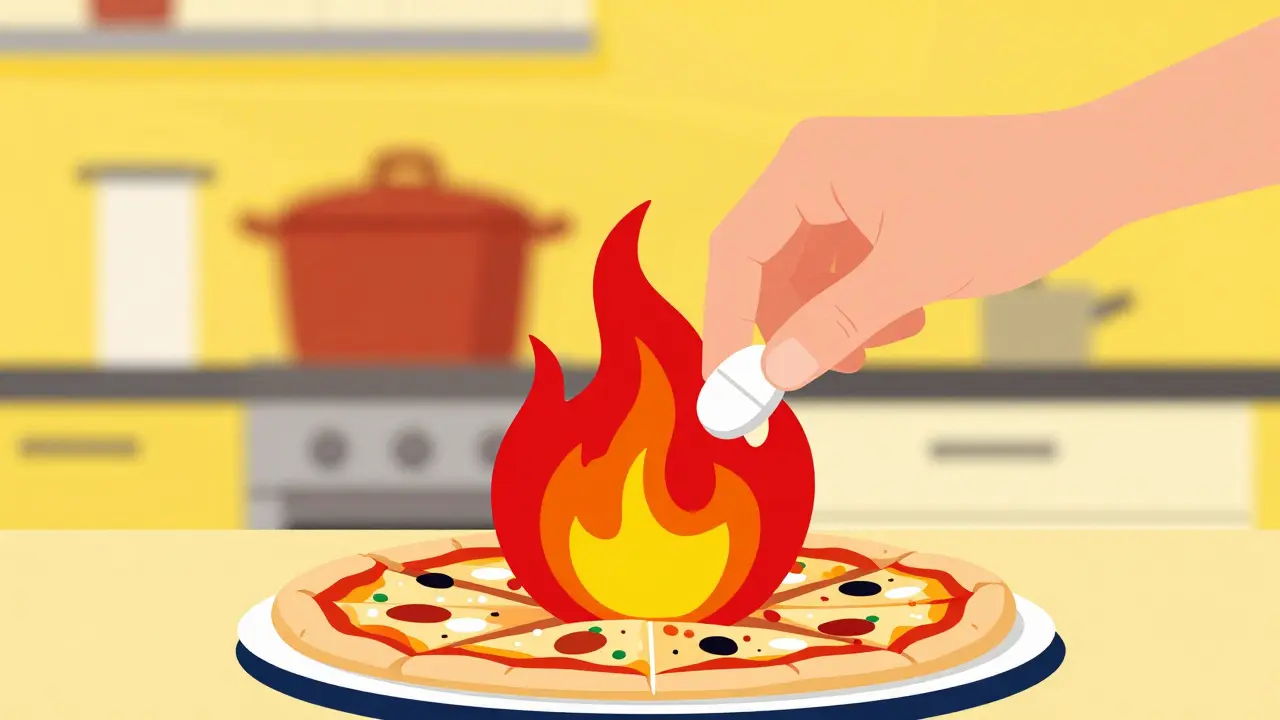
OTC Heartburn Medications: Antacids vs H2 Blockers vs PPIs Explained
14 Comments
Learn how OTC heartburn meds work, when to use each type, and common mistakes. Over 60M Americans face heartburn monthly-knowing the right choice matters.
Read MoreFeb 2, 2026
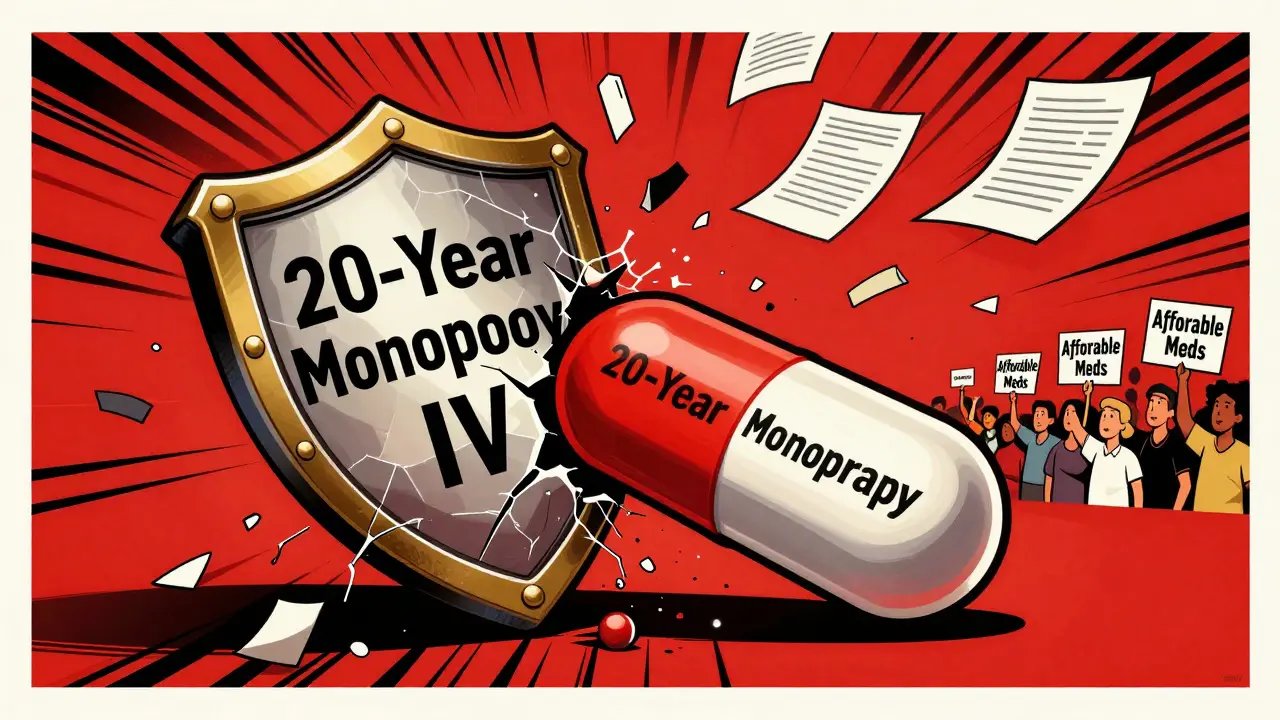
Paragraph IV Certifications: How Generic Drug Makers Legally Challenge Patents
9 Comments
Paragraph IV certifications let generic drug makers legally challenge brand-name patents before launch. This Hatch-Waxman Act tool has saved over $1.7 trillion in healthcare costs and drives competition in the U.S. drug market.
Read MoreJan 31, 2026

Chinese Generic Production: Manufacturing and Quality Concerns in Global Pharma
8 Comments
China produces 80% of the world's generic drug ingredients, but quality issues persist. Learn how manufacturing practices, regulatory gaps, and global supply chains affect the safety of the medications you take.
Read MoreJan 26, 2026
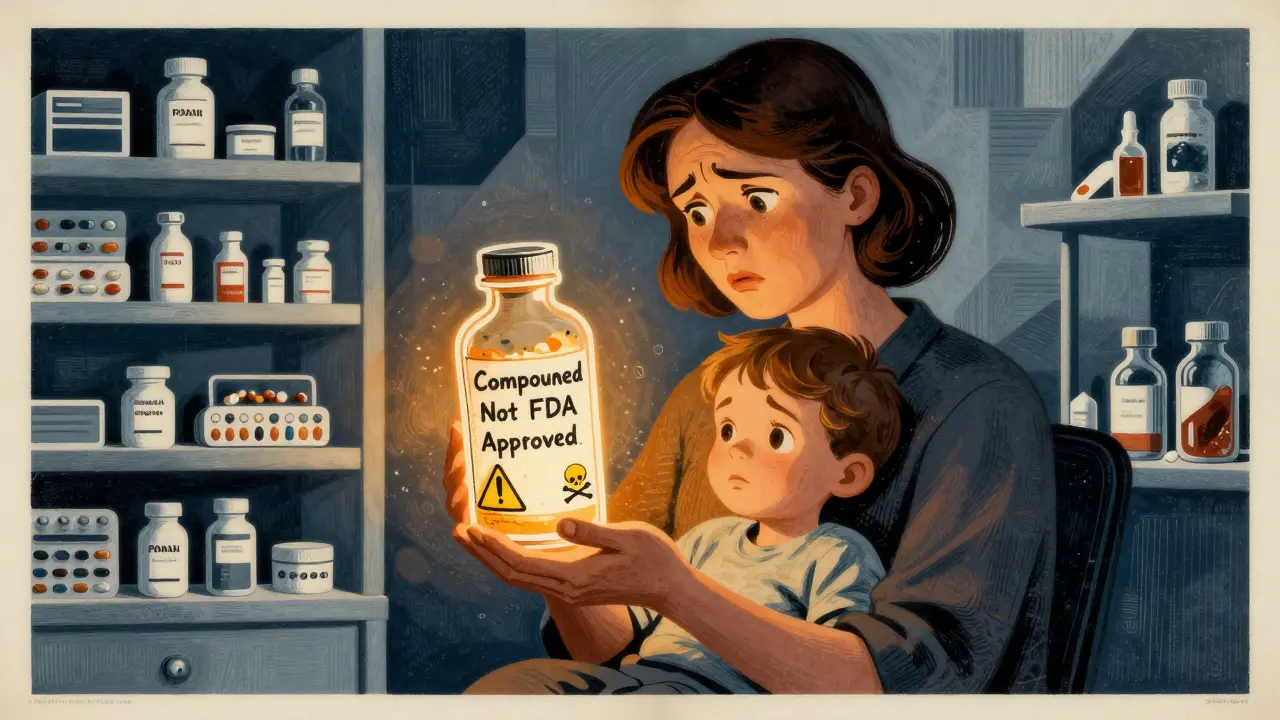
How to Use Compounded Medications for Children Safely
15 Comments
Compounded medications for children can be lifesaving-but they come with serious risks. Learn how to spot safe pharmacies, avoid dosing errors, and protect your child from preventable harm.
Read MoreJan 25, 2026
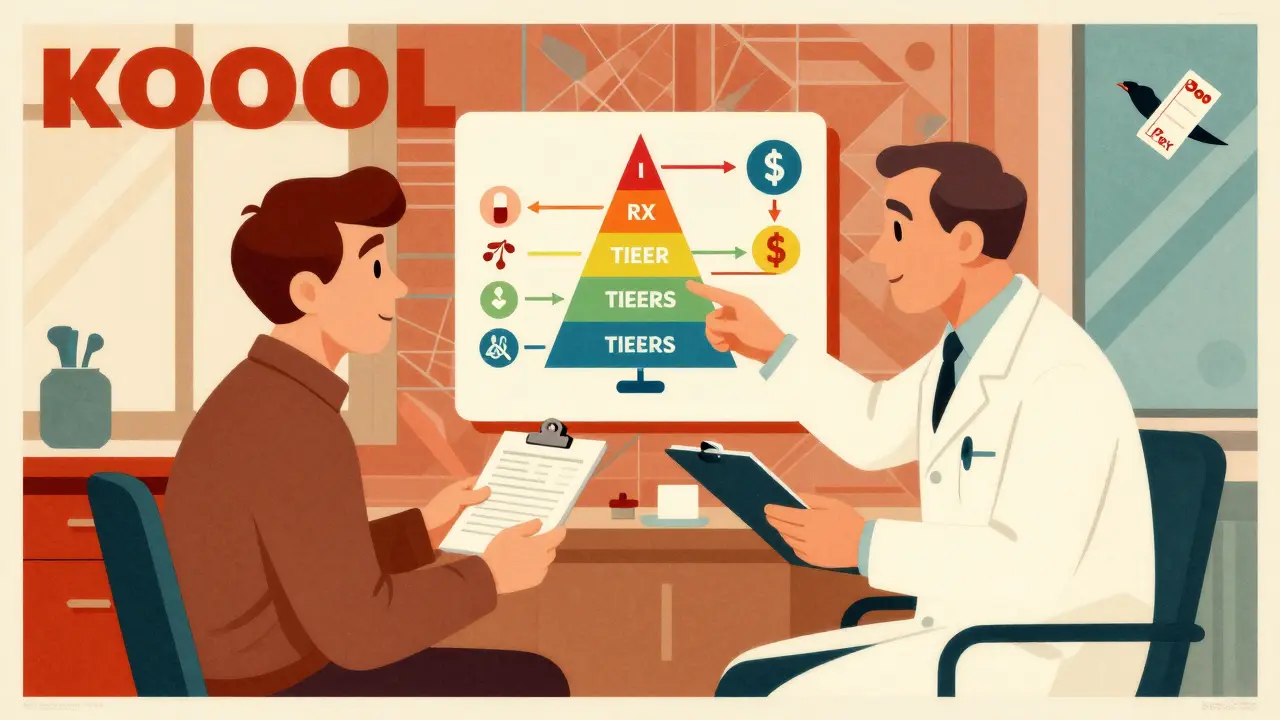
How to Discuss Cost and Coverage before Filling a Prescription
12 Comments
Learn how to talk to your doctor and pharmacist about prescription costs before filling a script. Avoid surprise bills with simple steps, insurance tips, and tools like GoodRx and Medicare's new payment plan.
Read MoreJan 20, 2026
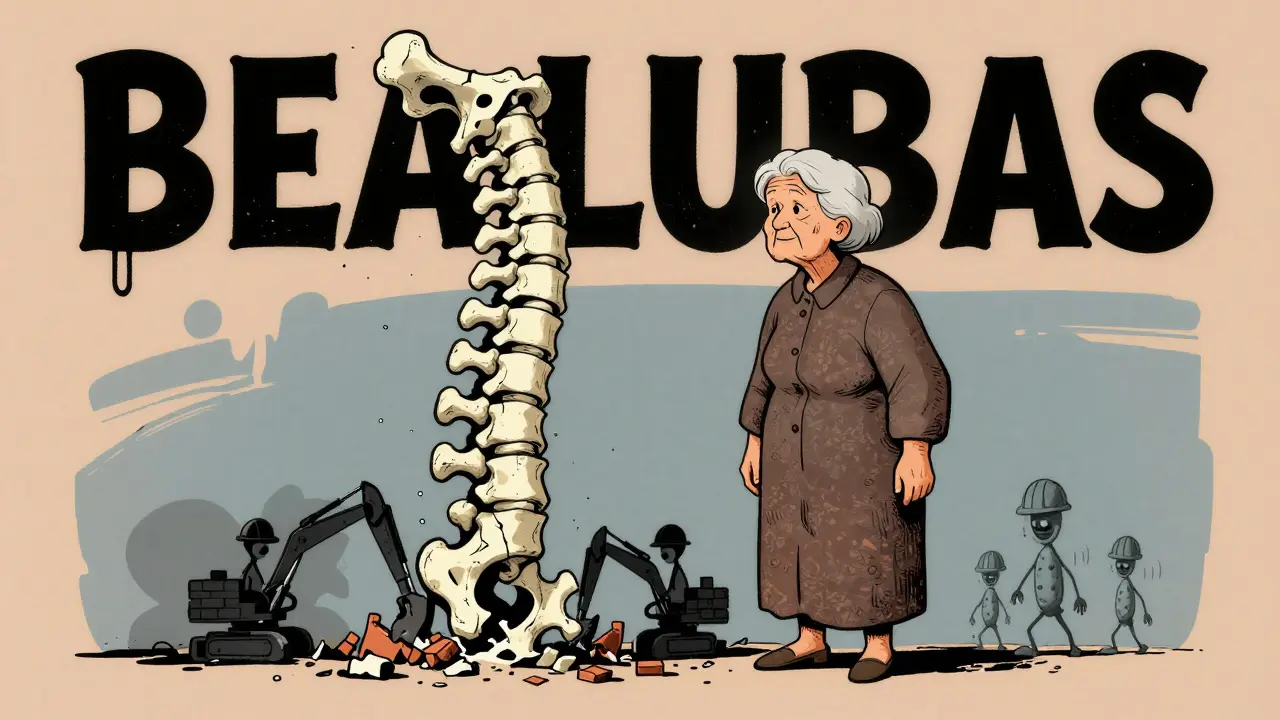
Osteoporosis and Bisphosphonate Therapy: What You Need to Know About Bone Density Loss and Treatment
13 Comments
Osteoporosis causes silent bone loss that leads to fractures. Bisphosphonates like alendronate are first-line treatment, reducing fracture risk by up to 50%. Learn how they work, their side effects, and how they compare to newer drugs.
Read MoreJan 19, 2026
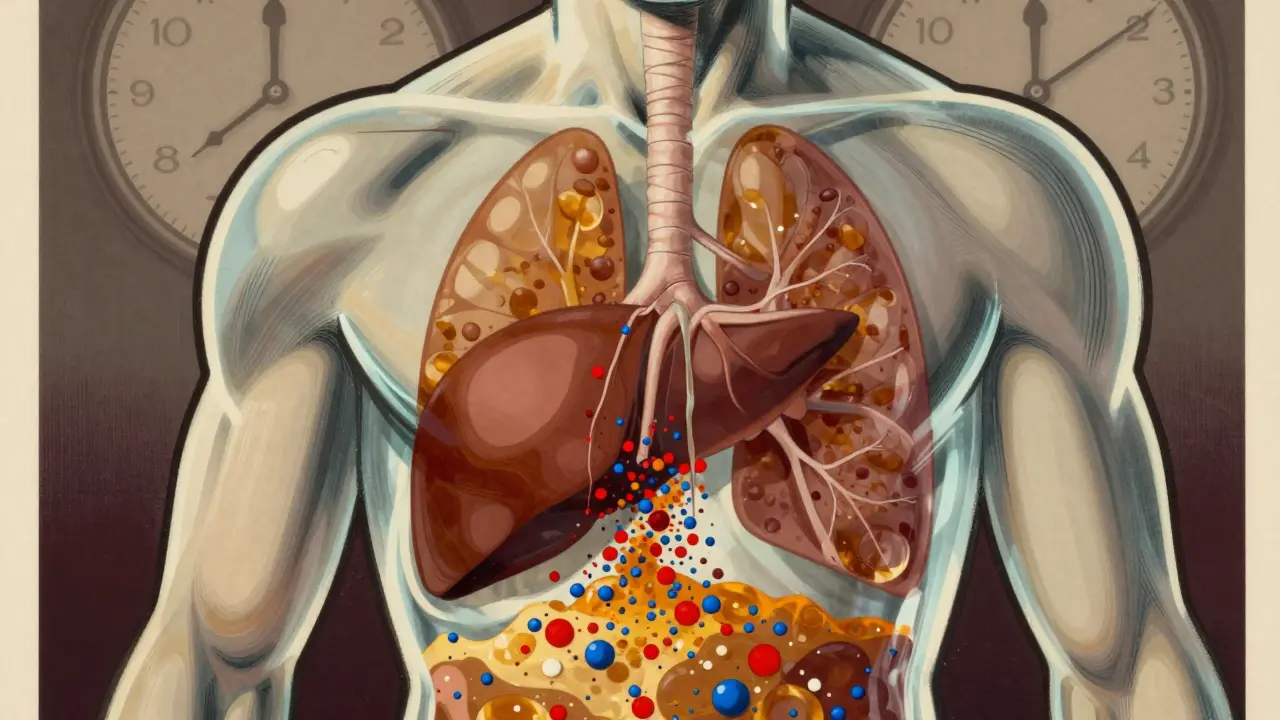
Cumulative Drug Toxicity: How Side Effects Build Up Over Time
13 Comments
Cumulative drug toxicity happens when medications build up in your body over time, causing side effects that appear years later. Learn which drugs pose the risk, how to spot early signs, and what you can do to stay safe.
Read MoreJan 16, 2026
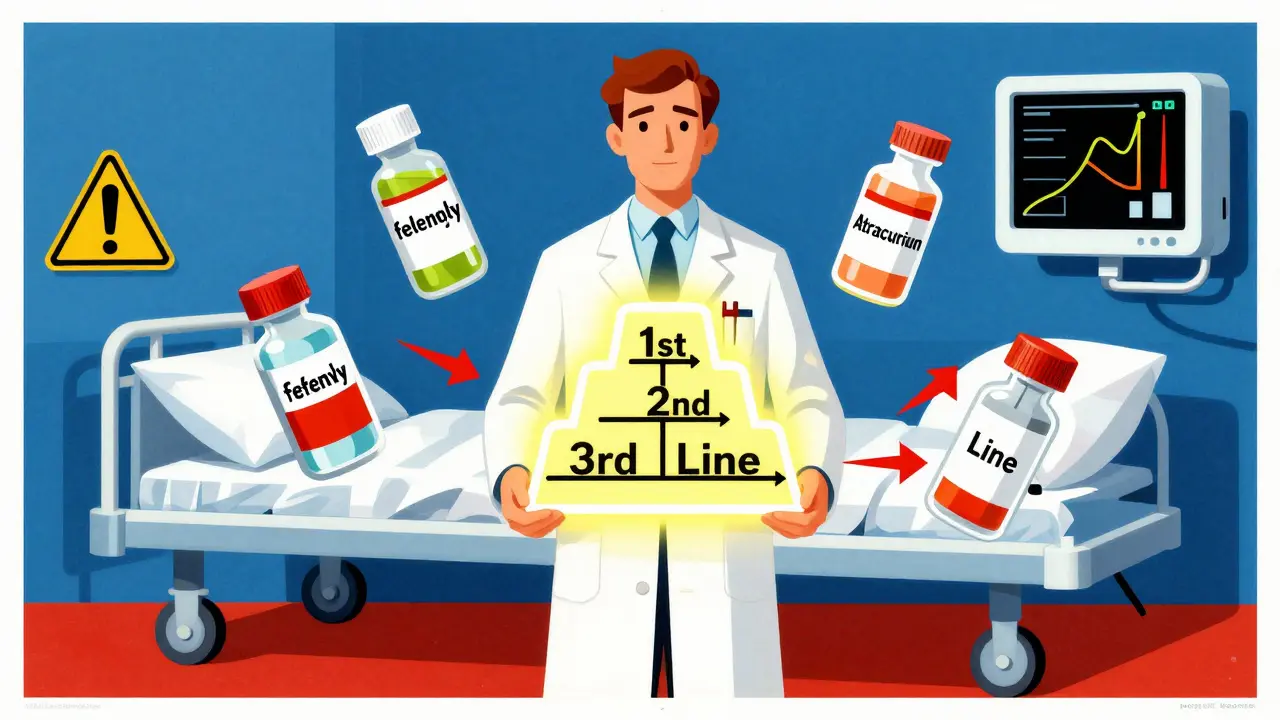
How to Prioritize Replacements for Expired Critical Medications in Clinical Settings
10 Comments
Learn how to safely replace expired critical medications using tiered protocols, pharmacist-led decision-making, and real-world strategies to prevent errors and save lives in clinical settings.
Read More