Author: Ray Fothergill
Apr 9, 2026

QR Codes on Drug Labels: How Real-Time Safety Updates Work
0 Comments
Explore how QR codes on drug labels provide real-time safety updates, reducing medication errors and replacing static paper inserts with dynamic digital information.
Read MoreApr 7, 2026

Moles and Melanoma: Using the ABCDE Rule for Skin Checks and Biopsies
3 Comments
Learn how to use the ABCDE rule to spot melanoma early. Discover the signs of suspicious moles, the 'Ugly Duckling' method, and when a biopsy is actually necessary.
Read MoreMar 31, 2026

Amyotrophic Lateral Sclerosis: Progressive Neurodegeneration and Riluzole Guide
10 Comments
A comprehensive guide to Amyotrophic Lateral Sclerosis (ALS) focusing on the mechanism, efficacy, and usage of Riluzole, the first FDA-approved disease-modifying therapy.
Read MoreMar 30, 2026

Insurance Prior Authorization for Generic Alternatives: Navigating Policies
9 Comments
Navigate complex insurance policies regarding generic alternative approvals. Learn how prior authorization affects prescriptions, understand step therapy protocols, and discover strategies to reduce administrative delays in 2026.
Read MoreMar 26, 2026
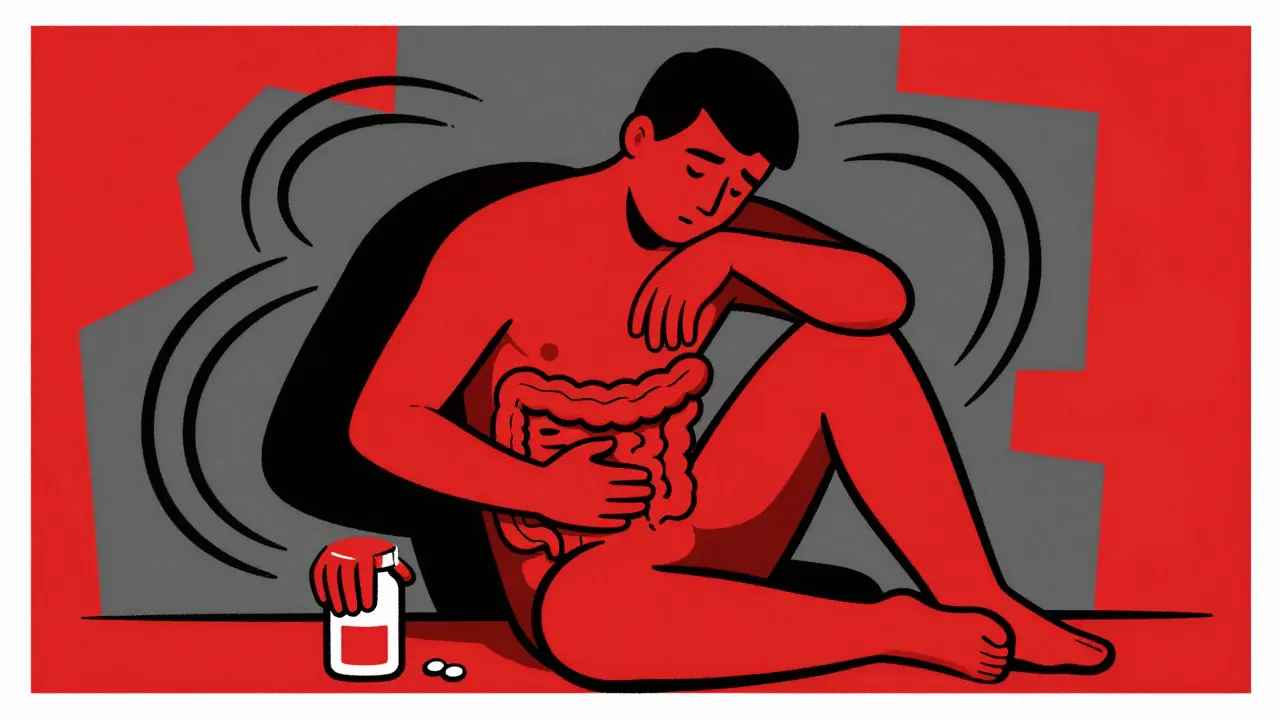
Managing Opioid Constipation: A Guide to Peripherally Acting Mu Antagonists
11 Comments
Explore PAMORAs for opioid-induced constipation. Learn how methylnaltrexone, naloxegol, and naldemedine work to restore bowel movement without affecting pain relief.
Read MoreMar 24, 2026
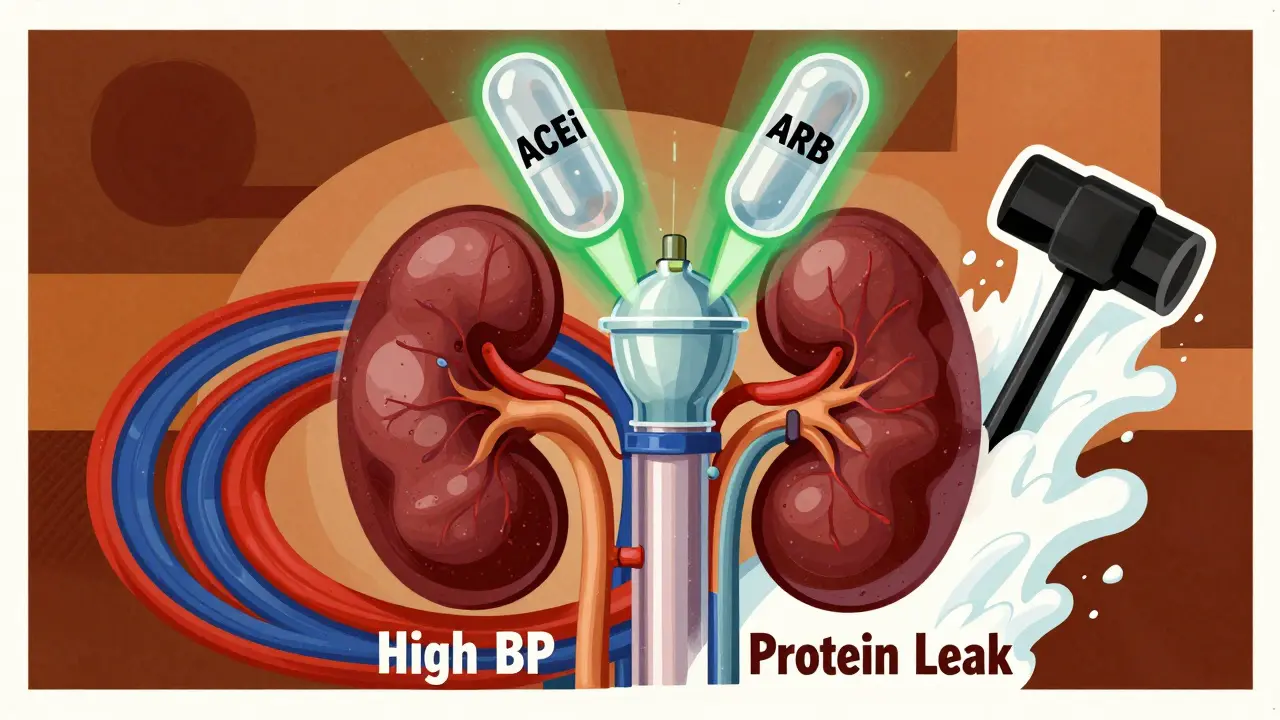
Blood Pressure Control in Kidney Disease: How ACE Inhibitors and ARBs Protect Your Kidneys
15 Comments
ACE inhibitors and ARBs are the most effective blood pressure medications for slowing kidney damage in chronic kidney disease. They reduce proteinuria, protect kidney function, and delay dialysis-even in advanced stages-when used with proper monitoring.
Read MoreMar 22, 2026
Addressing Patient Concerns About Generic Medications: Common Questions Answered
13 Comments
Generic drugs are just as safe and effective as brand-name medications, but many patients still have concerns. This article answers the most common questions about generics, from side effects to cost, using clear facts and real-world context.
Read MoreMar 12, 2026
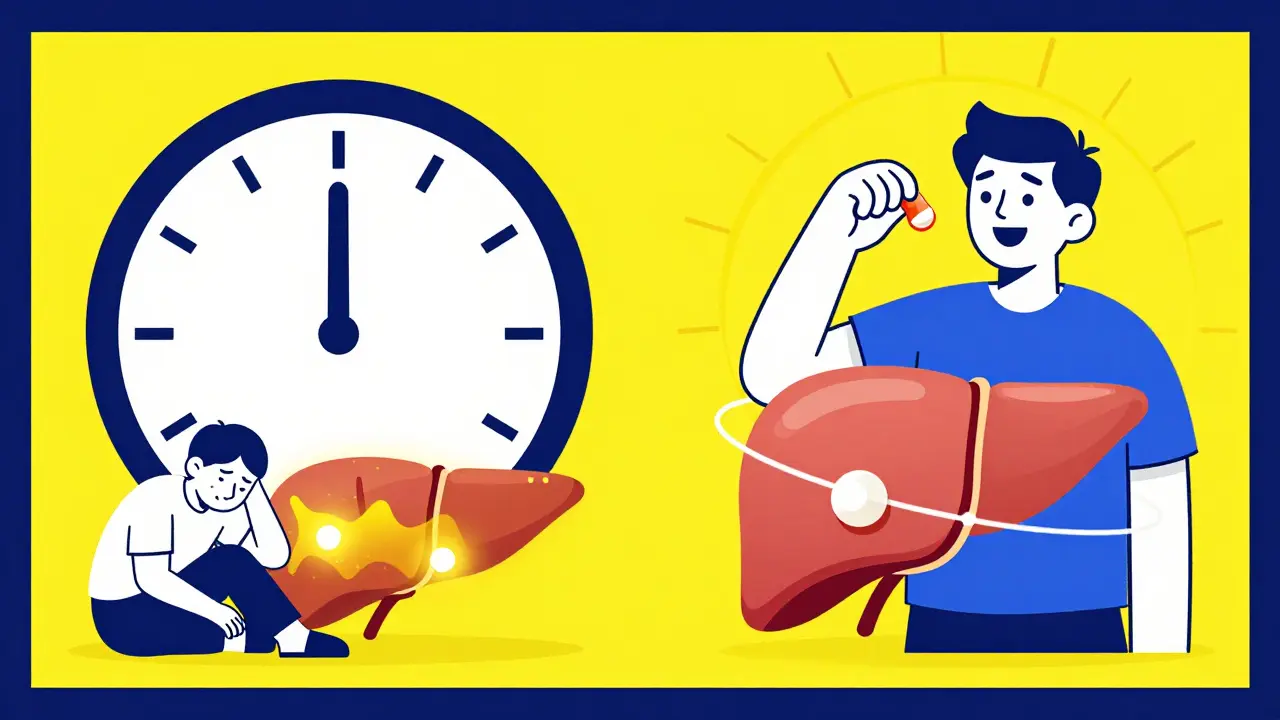
Night vs Morning Statin Dosing: What Really Matters for Side Effects and Effectiveness
0 Comments
Taking statins at night was once standard, but today's long-acting statins work just as well in the morning. What really matters is taking them every day-timing is secondary. Learn what statin you're on and how to maximize adherence.
Read MoreMar 10, 2026
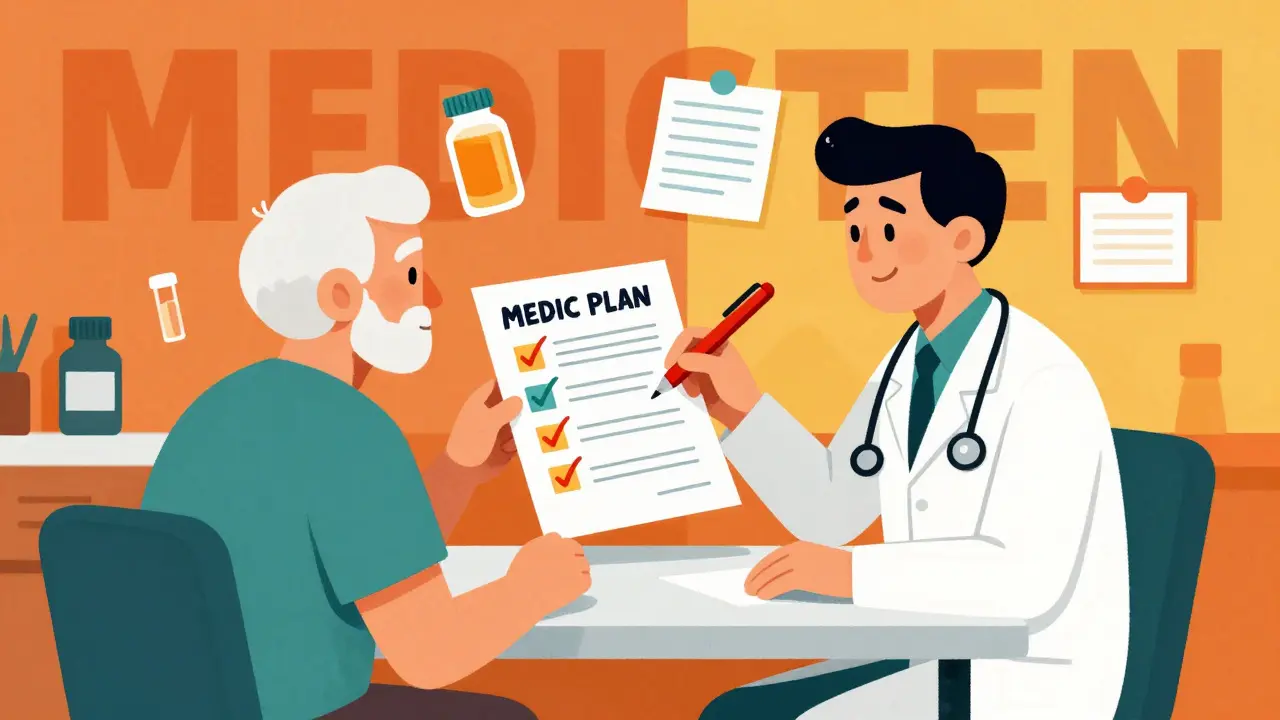
How to Use a Medication Action Plan Template During Healthcare Visits
8 Comments
A Medication Action Plan template helps patients and providers communicate clearly during visits, reducing errors and improving adherence. Learn how to use it before, during, and after appointments for safer medication management.
Read MoreMar 8, 2026

Autoimmune Encephalitis: Red Flags, Antibodies, and Treatment
8 Comments
Autoimmune encephalitis is a rare but treatable brain disorder triggered by antibodies attacking brain cells. Recognizing red flags like sudden memory loss, seizures, or psychiatric changes can save lives. Early treatment with steroids, IVIG, or tumor removal leads to 70-80% recovery rates.
Read More