Non-Heme Iron Absorption: How to Get More from Plant-Based Iron
When you eat spinach, lentils, or fortified cereal, you're getting non-heme iron, a form of iron found in plants and fortified foods that the body absorbs less efficiently than the iron in meat. This is the main type of iron for vegetarians and vegans, and it's also the kind most people get from multivitamins and supplements. Unlike heme iron from animal sources, non-heme iron doesn't come with a built-in absorption boost — which is why so many people still feel tired even when they eat plenty of greens. The good news? You can dramatically improve how much your body takes in — without pills or fancy diets.
One of the biggest factors affecting non-heme iron absorption, the process by which your intestines pull iron from food into your bloodstream is what you eat alongside it. Vitamin C is the most powerful enhancer. A single orange or half a bell pepper with your bean salad can double or even triple iron uptake. On the flip side, coffee, tea, and calcium-rich foods like milk or antacids can block absorption if eaten at the same time. Timing matters: drink your coffee after your meal, not with it. Also, avoid taking calcium supplements with your iron-rich meals — space them out by a few hours.
Iron deficiency, a condition where your body doesn't have enough iron to make healthy red blood cells is common, especially in women, kids, and older adults. Many assume they’re not eating enough iron, but the real issue is often poor absorption. You can have a plate full of lentils and still be low in iron if you’re drinking tea with it. The fix isn’t more food — it’s smarter pairing. Fermented foods like tempeh or sourdough bread can also help, because the fermentation process reduces compounds like phytates that bind to iron and stop absorption.
Most people don’t realize that non-heme iron isn’t meant to be absorbed quickly — your body regulates it carefully. That’s why consistent, daily intake matters more than one big iron-rich meal. Eating small amounts of iron-rich foods with vitamin C throughout the day works better than one huge dose. And if you’re on a plant-based diet, don’t just rely on spinach. Include tofu, chickpeas, quinoa, pumpkin seeds, and dried apricots. They’re not just sources of iron — they’re sources you can actually use.
There’s no magic bullet, but you don’t need one. You just need to know what blocks iron and what helps it. The posts below show you exactly how to use food, timing, and simple habits to get more from the iron you already eat — whether you’re managing fatigue, pregnancy, or just trying to feel less worn out. No supplements required unless you need them. Just real, practical steps that work.
Dec 9, 2025
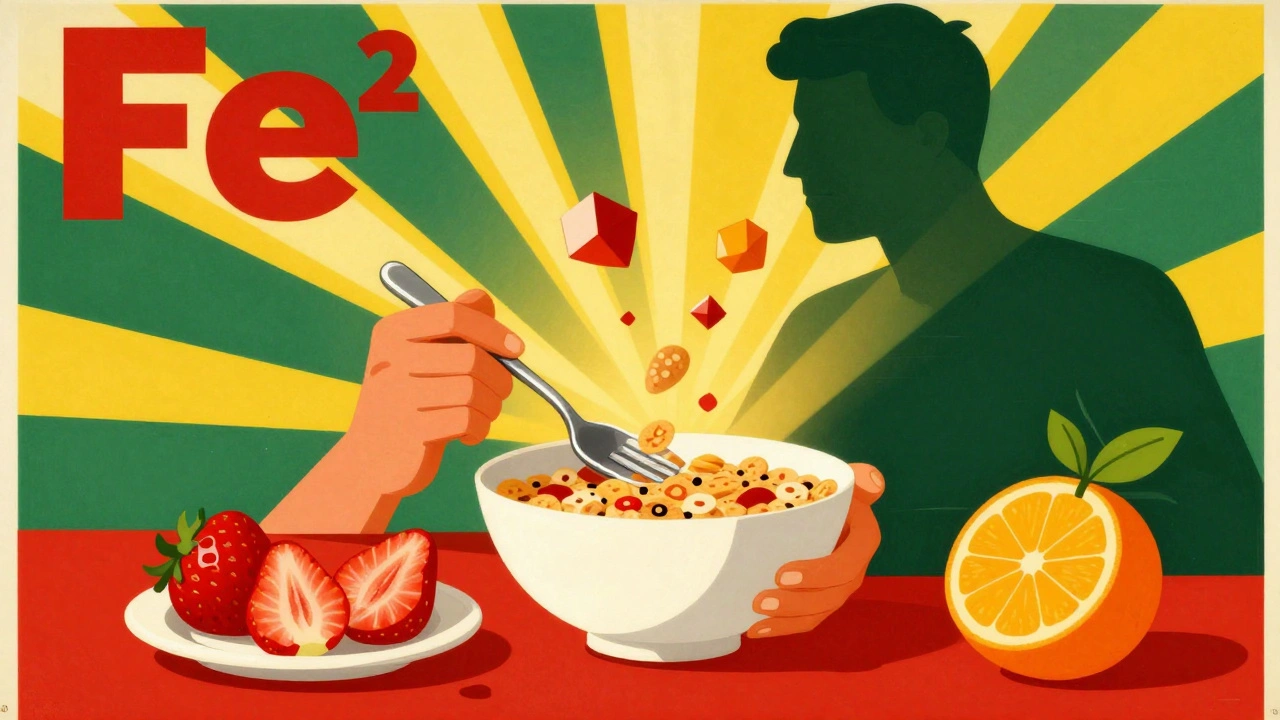
Vitamin C and Iron: How to Maximize Absorption and Avoid Drug Interactions
11 Comments
Learn how vitamin C boosts iron absorption from plant foods, the best timing and doses, and which medications to avoid. Simple, science-backed tips to get more from your iron supplements and meals.
Read More