Vitamin C & Iron Absorption Calculator
Enter your iron source type and amount to calculate optimal vitamin C pairing. This tool shows you exactly how much vitamin C you need to maximize absorption of non-heme iron sources.
Most people know vitamin C is good for immunity, but few realize it’s one of the most powerful tools for fixing iron deficiency - especially if you eat plant-based foods. If you’re taking iron supplements or relying on spinach, lentils, or fortified cereal for your iron, skipping vitamin C could mean you’re wasting half your dose. And if you’re on other medications, taking them at the wrong time with iron can make things even worse.
Why Vitamin C Makes Iron Work Better
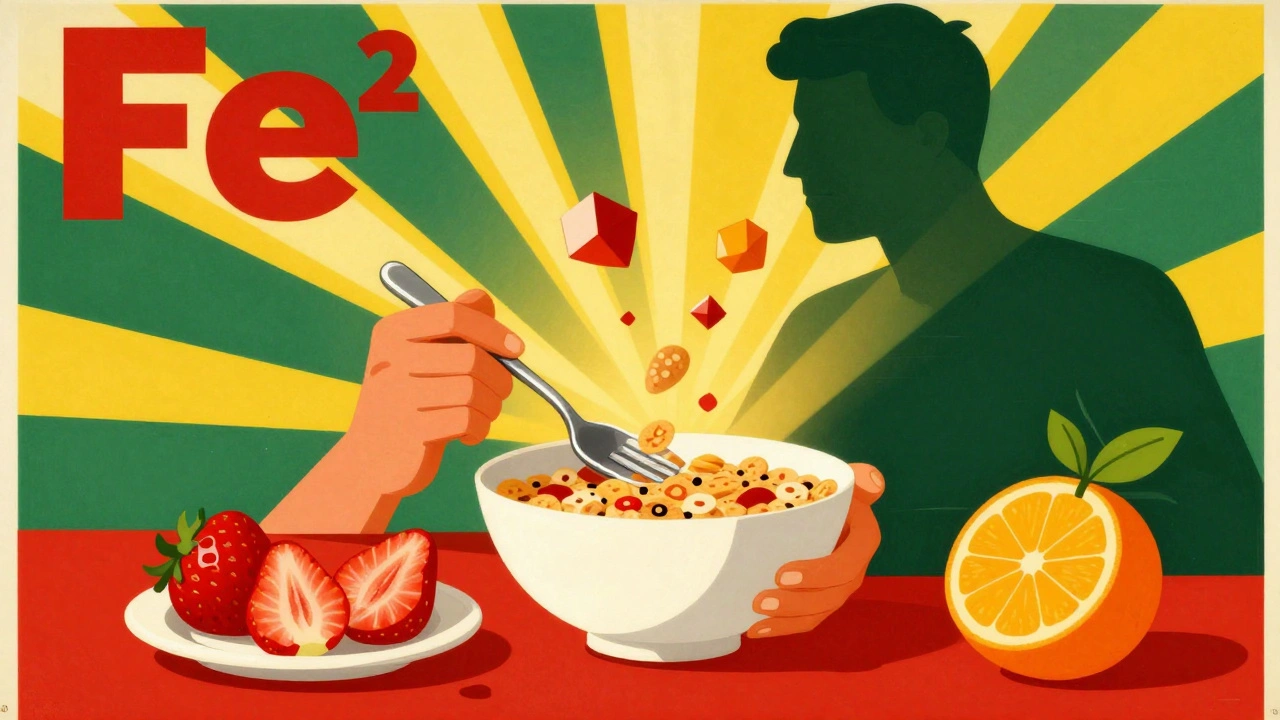
Your body absorbs iron in two forms: heme iron from meat, and non-heme iron from plants. Heme iron is already easy to absorb - about 15-35% gets into your bloodstream. But non-heme iron? That’s a different story. Without help, only 2-20% of it gets used. That’s where vitamin C comes in. Vitamin C, or ascorbic acid, turns insoluble ferric iron (Fe³⁺) into soluble ferrous iron (Fe²⁺). This simple chemical change lets your gut absorb it through a transporter called DMT-1. Research from Japan’s SPring-8 synchrotron showed vitamin C physically binds to an enzyme in your small intestine called Dcytb, acting like a battery to donate electrons and reduce iron. The result? Iron absorption jumps by 100% to 200% when you pair them. It’s not magic - it’s biochemistry. Studies show 100-200mg of vitamin C with a meal boosts non-heme iron absorption dramatically: 67% for fortified cereals, 123% for beans, and 89% for spinach. That’s the same amount you get from one medium orange, half a cup of red bell pepper, or a glass of orange juice.What Happens If You Don’t Pair Them?
If you take an iron supplement with coffee, tea, or a calcium-rich snack, you’re fighting an uphill battle. Polyphenols in coffee and tea, and calcium in dairy or supplements, block iron absorption by 50-65%. Even phytates in whole grains can cut absorption in half. But here’s the good part: vitamin C fights back. Just 100mg of vitamin C can neutralize the blocking effect of 20-50mg of polyphenols or 30-40mg of calcium. So if you’re eating lentils with a side of broccoli and a glass of orange juice, you’re not just getting iron - you’re making sure your body uses it.Timing Matters More Than You Think
It’s not enough to just eat vitamin C and iron in the same day. You need them together - within the same meal, or at least within 30 minutes of each other. Take vitamin C 30 minutes before your iron, and absorption drops by half. Take it hours later? The effect is gone. This isn’t guesswork. The NIH and WHO both say the optimal window is simultaneous intake. That’s why iron supplements with added vitamin C are now the norm. In 2023, 68% of new iron products included vitamin C - up from just 42% in 2019. Real-world data backs this up. Amazon reviews show iron supplements with vitamin C get 4.2 stars on average, while plain ones get 3.6. People who report success say things like, “Energy came back in two weeks,” or “No more constipation.” But 44% of negative reviews say, “I forgot to take it with vitamin C.”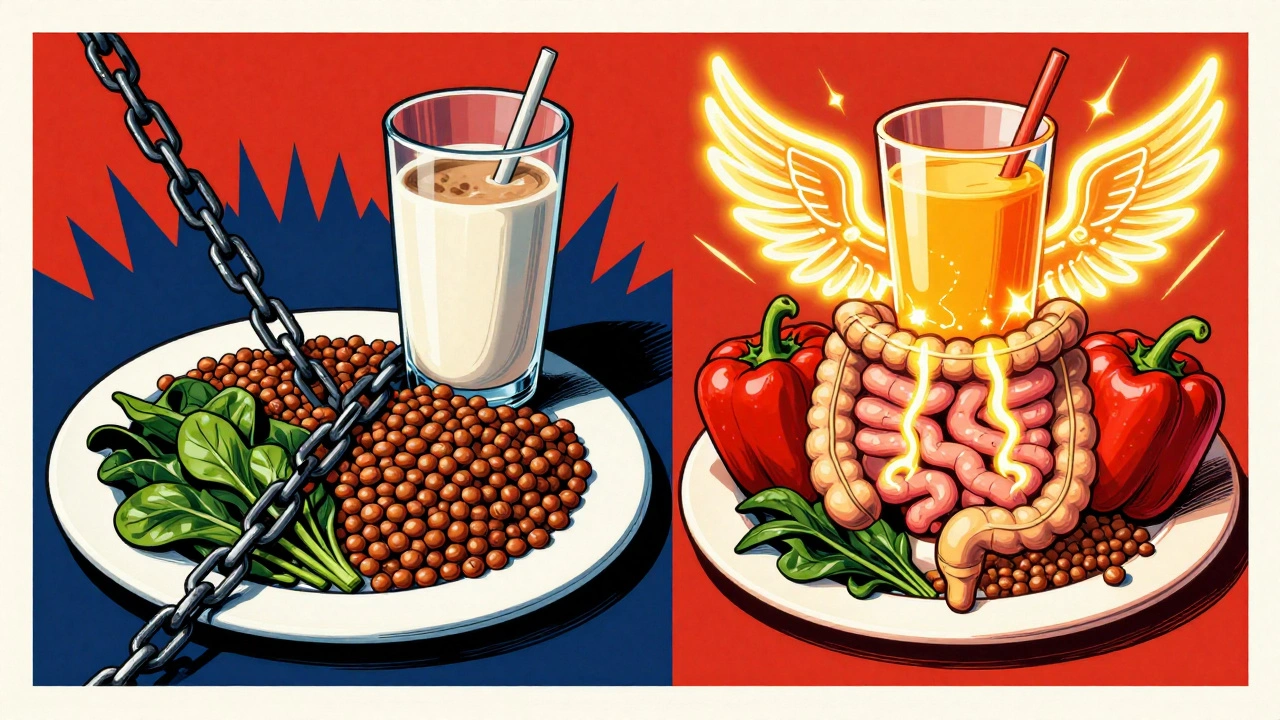
What Drugs Should You Keep Separate?
Iron doesn’t play well with several common medications. Mixing them up can reduce absorption or make side effects worse.- Thyroid medication (levothyroxine): Iron binds to it and blocks absorption. Take them at least 2 hours apart - ideally, take thyroid meds in the morning on an empty stomach, and iron with lunch or dinner.
- Calcium supplements: Calcium competes with iron for the same absorption pathway. Space them out by at least 4 hours. Don’t take your calcium pill with your iron-rich meal.
- Antacids and proton-pump inhibitors (like omeprazole): These reduce stomach acid, which is needed for iron to be released from food. They can cut iron absorption by 70-80%. If you’re on these long-term, talk to your doctor about monitoring your iron levels.
- Some antibiotics (like tetracycline and quinolones): Iron can bind to them and make them less effective. Take iron at least 2-3 hours before or after these drugs.
Who Benefits the Most?
Vitamin C’s effect on iron absorption is strongest in people who rely on plant-based iron: vegetarians, vegans, pregnant women, and young children. It’s also critical for people in low-resource settings where meat isn’t affordable or available. The World Health Organization now recommends 100mg of vitamin C with every iron-rich plant meal to fight iron deficiency anemia - which affects over 1.2 billion people worldwide. In the U.S., WIC programs have added vitamin C pairing to their nutrition education. One case study from Michigan State University showed a pregnant woman with a hemoglobin level of 9.8 g/dL (low) raised it to 12.1 g/dL (normal) in just eight weeks - all by eating fortified cereal with strawberries and orange juice. But it’s not just for vegans. Even meat-eaters can benefit. Iron from chicken or beef is well-absorbed, but if you’re low on iron due to heavy periods, blood loss, or chronic illness, adding vitamin C can still help your body hold onto more of it.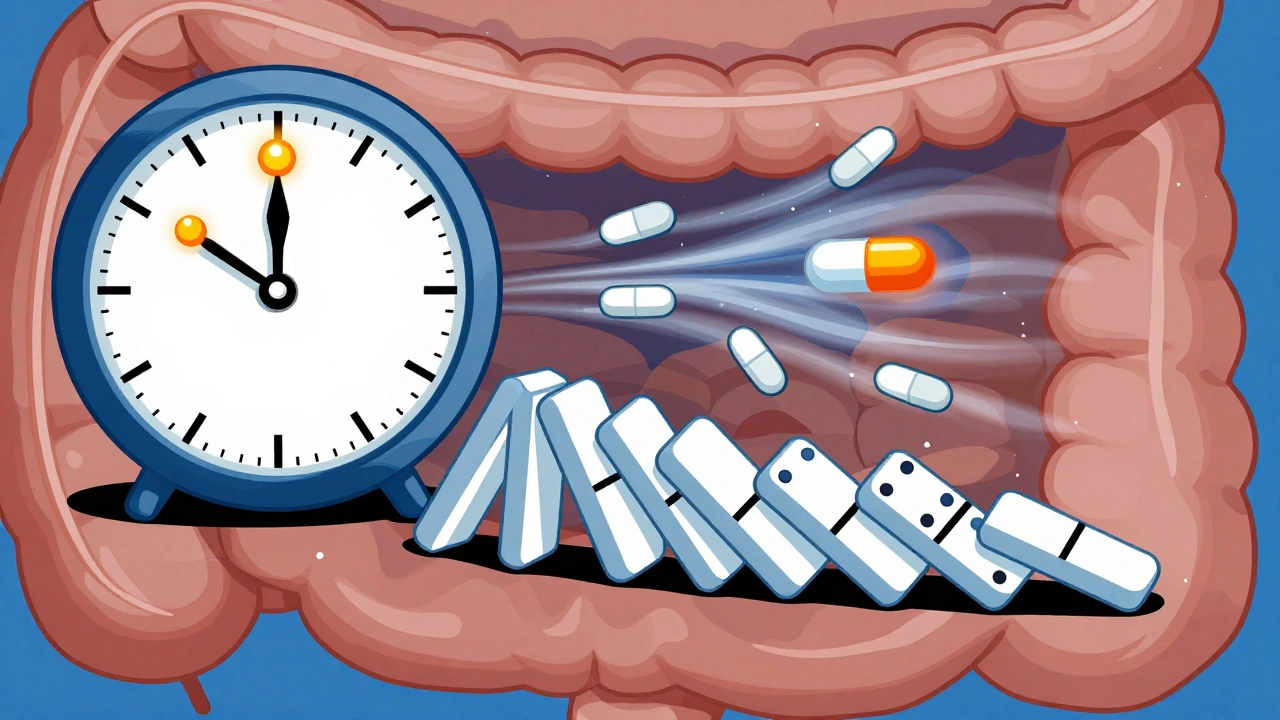
When Vitamin C Doesn’t Help
It’s not a magic bullet. Vitamin C doesn’t improve absorption if you’re taking more than 65mg of iron at once - your gut can’t handle more. It also doesn’t help people with hemochromatosis (a genetic iron overload disorder), or those with H. pylori infection or low stomach acid (achlorhydria). In these cases, the problem isn’t absorption - it’s regulation or digestion. Also, if you have chronic inflammation (like from IBD or kidney disease), your body holds onto iron and won’t release it, no matter how much vitamin C you take. In these cases, treatment needs to target the root cause, not just the nutrient.Practical Tips You Can Use Today
You don’t need supplements to get this right. Here’s how to make it easy:- Breakfast: Add sliced strawberries or orange segments to your fortified cereal or oatmeal.
- Lunch: Toss red bell peppers, tomatoes, or broccoli into your lentil soup or chickpea salad.
- Dinner: Squeeze lemon juice over your tofu stir-fry or quinoa bowl.
- Snack: Pair a handful of almonds (iron source) with a kiwi or orange.
The Bigger Picture
This isn’t just about taking a vitamin. It’s about understanding how food works as medicine. Vitamin C is cheap, safe, and widely available. A 100mg dose costs less than a penny. It’s one of the few nutritional strategies that’s backed by decades of solid science, from crystallography labs to real-world clinics. The FDA now requires iron supplement labels to say, “Take with vitamin C-rich foods for better absorption.” That’s a big deal. It means the science is no longer hidden in journals - it’s on the bottle. And the future? Researchers are testing timed-release pills that deliver vitamin C and iron together in the right part of the gut. Some are even looking at gene-based advice - your DNA might determine how well your body uses vitamin C to absorb iron. But for now, the simplest fix is still the best: eat your orange with your beans.Can I take vitamin C and iron at the same time?
Yes, and you should. Taking vitamin C and iron together - ideally within the same meal or within 30 minutes of each other - boosts non-heme iron absorption by up to 200%. The best approach is to pair them at breakfast, lunch, or dinner. Avoid taking them more than 30 minutes apart, as the effect drops sharply after that.
How much vitamin C do I need with iron?
100-200mg of vitamin C per meal is the sweet spot. That’s about one medium orange, half a cup of red bell pepper, or 6 ounces of orange juice. Higher doses (over 500mg) don’t add much benefit and may cause stomach upset in some people. Stick to the 100-200mg range for optimal results.
Does vitamin C help with iron from meat?
Not significantly. Meat contains heme iron, which your body absorbs naturally at 15-35% efficiency. Vitamin C mainly helps with non-heme iron from plants, fortified foods, and supplements. So if you’re eating steak, you don’t need extra vitamin C - but if you’re eating beans or spinach, you do.
Can I take iron with coffee or tea?
No. Coffee and tea contain polyphenols that block iron absorption by up to 65%. Wait at least two hours after eating iron-rich foods or taking a supplement before drinking coffee or tea. If you need caffeine in the morning, have your iron supplement with lunch instead.
What if I’m on thyroid medication?
Iron interferes with the absorption of thyroid medication like levothyroxine. Take them at least 2 hours apart. Most people take thyroid meds in the morning on an empty stomach, then have iron with lunch or dinner. Always check with your doctor before changing your routine.
Why do some iron supplements include vitamin C?
Because science shows it works. Over 68% of new iron supplements now include vitamin C to improve absorption, especially for non-heme iron. The FDA now requires this info on labels. These combinations are especially helpful for vegetarians, vegans, pregnant women, and anyone with low iron levels from plant-based diets.
Can vitamin C cause side effects with iron?
High doses of vitamin C (over 500mg) can cause bloating, cramps, or diarrhea in 15-20% of people. But at the recommended 100-200mg per meal, side effects are rare. If you have stomach upset, try lowering your iron dose and pairing it consistently with vitamin C - many users find this reduces side effects compared to high-dose iron alone.
Do I need to take vitamin C every day if I’m not deficient?
Not necessarily. If your iron levels are normal and you eat a balanced diet, you don’t need to force vitamin C with every meal. But if you’re at risk for deficiency - like if you’re vegetarian, pregnant, or have heavy periods - making this pairing a habit is a smart, low-cost way to stay healthy.
Comments
Neelam Kumari December 10, 2025 at 04:25
Oh wow, another ‘eat an orange with your lentils’ miracle cure. Tell me, do you also recommend hugging trees for better iron absorption? I’m sure the WHO has a pamphlet for that next to their ‘drink more water’ advice.
Queenie Chan December 11, 2025 at 13:24
It’s wild how such a simple biochemical dance-vitamin C handing electrons to iron like a tiny molecular relay race-gets buried under decades of dietary dogma. I mean, we’ve got synchrotron data proving it, yet people still chug coffee with their spinach smoothie like it’s a ritual. The real tragedy? Not the wasted iron… it’s that we still treat nutrition like witchcraft instead of chemistry.
Stephanie Maillet December 12, 2025 at 13:41
It’s fascinating… isn’t it?… how something so small… so simple… a molecule… a citrus fruit… can literally rewrite the biochemistry of absorption… and yet… we ignore it… because it’s not a pill… not a patent… not profitable…
David Palmer December 13, 2025 at 19:00
So I just eat meat now? That’s it? No more lentils? I’m not paying for orange juice just to eat beans. This is getting out of hand.
Aileen Ferris December 14, 2025 at 01:02
ok so vitamin c helps iron? lol i thought it was just for colds. also why is everyone suddenly into iron? did the goverment start adding it to the water or something? 🤔
Nikki Smellie December 15, 2025 at 15:44
Let me guess… this is all part of the Big Pharma + Big Orange Juice conspiracy. They want you to buy supplements, then charge you for the ‘vitamin C synergy’… while the CDC monitors your bowel movements. They’re tracking your iron levels to predict your political views. I’ve seen the documents. I’ve seen the charts. 🚨
Rebecca Dong December 15, 2025 at 21:33
THIS IS A TRAP. The FDA doesn’t just ‘require’ labels. They’re conditioning us. First it’s vitamin C with iron… next it’s vitamin D with fluoride… then it’s B12 with 5G signals. They’re syncing our nutrients to the grid. I’m not taking anything with vitamin C anymore. I’ve switched to raw beets and whispered affirmations. My hemoglobin is now 13.7… and I’m spiritually aligned.
Michelle Edwards December 17, 2025 at 03:25
You’re not alone if this feels overwhelming. Seriously-start small. Add one orange to your breakfast. That’s it. No pressure. Your body will thank you. And if you forget? No guilt. Just try again tomorrow. Progress, not perfection. You’ve got this.
Sarah Clifford December 18, 2025 at 07:00
Wait so I’ve been wasting my money on iron pills this whole time?? Like… I took them with my coffee and now I’m tired all the time?? This is why I hate science. It’s always changing. I just wanted to feel less tired. Now I have to eat a bell pepper AND avoid tea?? I’m moving to Mars.
Regan Mears December 18, 2025 at 20:48
I’ve been taking iron with orange juice for six months now-after my doctor flagged my ferritin at 12. My energy’s back, my hair stopped falling out, and I actually sleep through the night. I used to think this was just ‘nutrition hype.’ But science? It’s real. And it’s cheap. Don’t overthink it. Just eat the fruit with the beans.
Ben Greening December 19, 2025 at 19:05
The data presented here is methodologically sound and aligns with established nutritional biochemistry. The cited studies from SPring-8 and the NIH provide credible evidence for the ascorbic acid-mediated enhancement of non-heme iron absorption. The practical recommendations are consistent with current dietary guidelines. A well-researched, concise, and actionable summary.