Medication-Induced Delirium: Causes, Risks, and What You Need to Know
When a person suddenly becomes confused, disoriented, or agitated after starting a new medication, it’s often not just a bad reaction—it’s medication-induced delirium, a sudden, temporary state of mental confusion triggered by drugs that disrupt brain chemistry. Also known as drug-induced delirium, this condition is one of the most common but overlooked dangers in older adults and those taking multiple prescriptions. Unlike dementia, which progresses slowly, medication-induced delirium can appear in hours or days and often reverses once the drug is stopped. But if missed, it can lead to falls, hospitalization, or even long-term cognitive decline.
This isn’t just about old people. While anticholinergic drugs, a class of medications that block acetylcholine, a key brain chemical for memory and focus are the biggest culprits—like certain sleep aids, allergy pills, and bladder medications—other drugs like opioids, steroids, and even some antibiotics can trigger it. The risk goes up when someone takes three or more meds at once, especially if they’re over 65, have kidney or liver issues, or already have memory problems. Many doctors don’t connect the dots because the symptoms look like dementia or depression. But the clues are there: fluctuating alertness, trouble focusing, hallucinations, or sudden changes in sleep patterns.
What’s often missed is how common this is. Studies show up to 40% of older hospital patients experience delirium, and nearly half of those cases are caused or worsened by medications. It’s not rare. It’s routine. And it’s preventable. The good news? If caught early, stopping or switching the offending drug can bring someone back to normal within days. But you need to know what to look for—and which meds are most likely to cause it.
Below, you’ll find real-world guides on drugs that can trigger this condition, how to spot the early signs, and what alternatives exist for common prescriptions that carry hidden risks. From statins to antihistamines, sleep aids to pain meds, these posts don’t just list side effects—they show you exactly which ones are dangerous, who’s most at risk, and how to talk to your doctor before it’s too late.
Nov 20, 2025
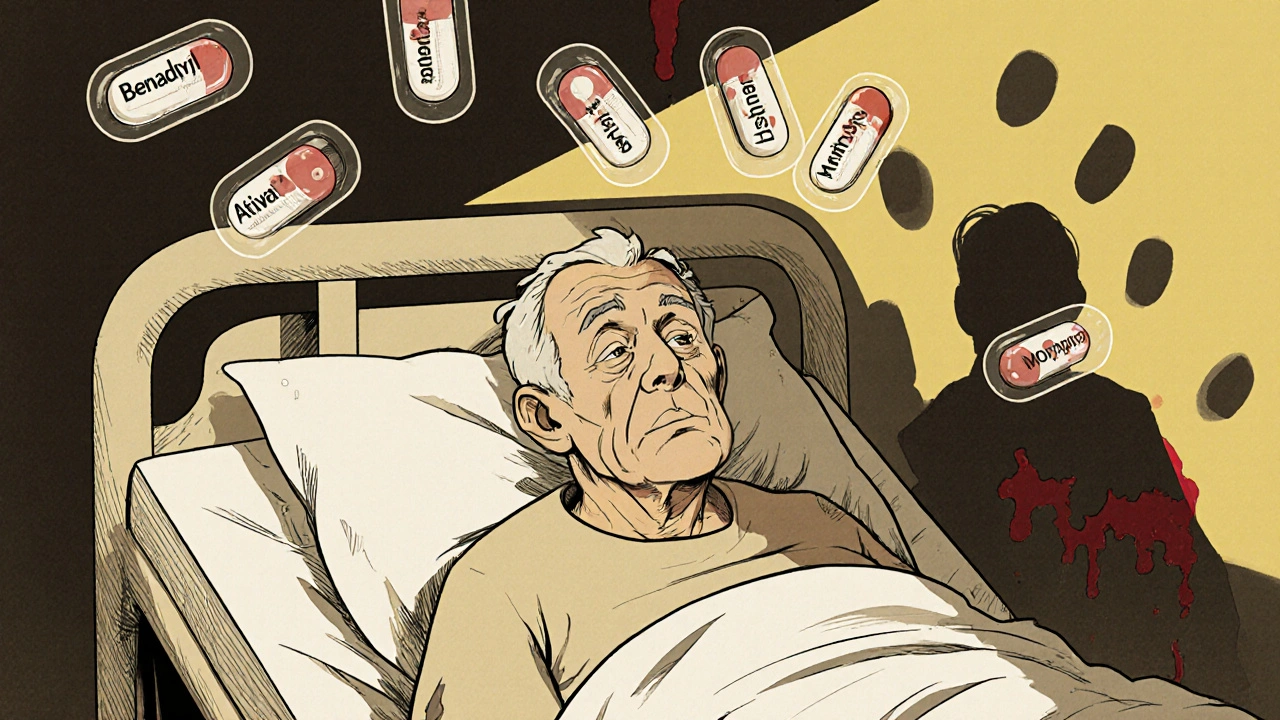
Medication-Induced Delirium in Older Adults: Signs, Causes, and How to Prevent It
9 Comments
Medication-induced delirium in older adults is a sudden, dangerous confusion often caused by common drugs like Benadryl or benzodiazepines. Learn the signs, which medications are risky, and how to prevent it before it's too late.
Read More