Generic Drug Substitution: What You Need to Know Before Swapping Prescriptions
When your pharmacist hands you a different pill than what your doctor prescribed, it’s not a mistake—it’s generic drug substitution, the practice of replacing a brand-name medication with a chemically identical generic version. Also known as therapeutic substitution, it’s a routine part of modern pharmacy practice designed to cut costs without sacrificing effectiveness. But not all substitutions are safe or equal. Some drugs, like blood thinners or epilepsy meds, need exact dosing. Even small differences in how they’re made can change how your body handles them.
That’s why bioequivalence, the scientific standard that proves a generic drug performs the same way in the body as the brand matters. The FDA requires generics to release the same amount of active ingredient at the same rate as the original. But for modified-release formulations, drugs designed to slowly release medicine over hours, that’s harder to guarantee. A pill that releases too fast or too slow can cause side effects or make your condition worse. That’s why some doctors write "dispense as written" on prescriptions—especially for older adults, people on multiple meds, or those with chronic conditions like heart disease or seizures.
It’s not just about the science. pharmacist substitution, the legal right of pharmacies to swap brands for generics unless blocked by the prescriber is governed by state laws. Some states let pharmacists switch without telling you. Others require consent. And while most generics work fine, people report differences in side effects—sometimes because of inactive ingredients like dyes or fillers. If you’ve had a reaction to a generic before, tell your doctor and pharmacist. Keep a list of what you’ve tried and how you felt.
There’s no one-size-fits-all answer. For statins like pravastatin, generics are usually safe and effective. For drugs like levothyroxine or warfarin, even tiny changes can throw your levels off. That’s why the same pill might be fine for one person and risky for another. The real question isn’t just "can I take the cheaper version?" It’s "should I?" And who gets to decide?
Below, you’ll find real-world examples of when generic substitution works, when it doesn’t, and how patients and doctors are navigating the gray areas. From legal risks for physicians to the hidden dangers of alcohol mixing with extended-release generics, these posts give you the facts—not the marketing.
Nov 22, 2025
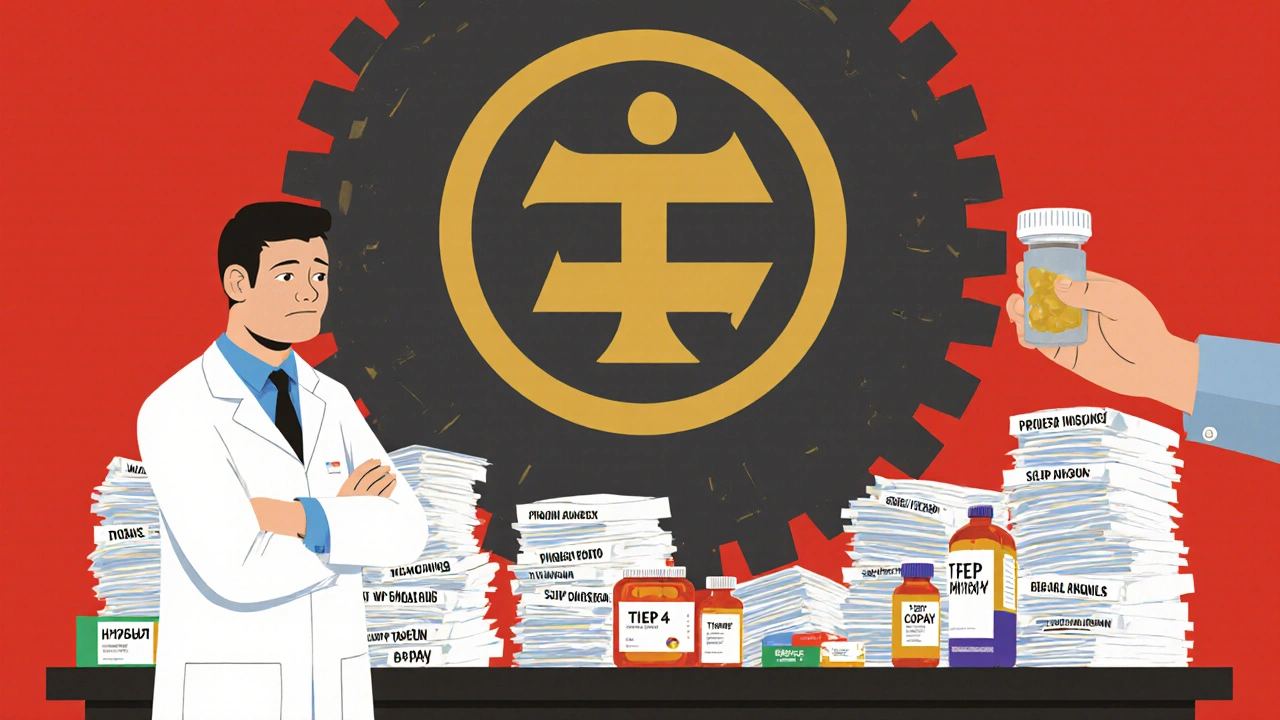
Insurer Pressure: How Providers Respond to Generic Drug Substitution Requirements
9 Comments
Insurers push providers to use generic drugs to cut costs, but these mandates create administrative burdens and clinical risks. Providers are adapting with templates, ePA systems, and state law advocacy to protect patient care.
Read More