Drug Rash: What It Is, Common Triggers, and How to Manage It
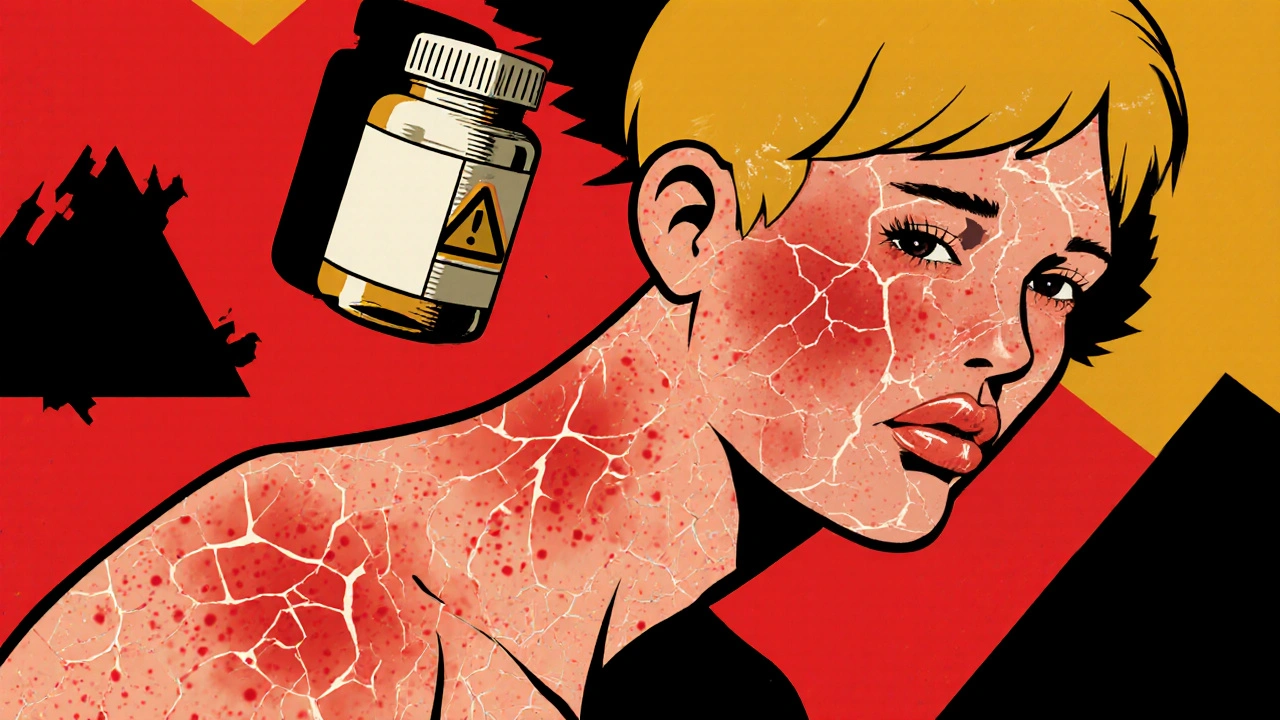
When your skin breaks out in red spots, bumps, or itching after starting a new pill or injection, it might not be a coincidence. This is a drug rash, a skin reaction caused by a medication. Also known as a medication-induced rash, it’s one of the most common side effects people don’t expect—and often ignore until it gets worse. It can show up as a mild pink flush or a full-body hive outbreak. Sometimes it’s harmless. Other times, it’s the first sign of something dangerous.
Not every rash from a drug is an allergy. Some are just side effects. But when your skin reacts, it’s your body’s way of saying something’s off. Common culprits include antibiotics like penicillin, NSAIDs like ibuprofen, seizure meds like phenytoin, and even over-the-counter painkillers. If you’ve recently started a new medicine and your skin changed, that’s a red flag. You don’t need a lab test to suspect a drug rash—timing matters more than anything. Did the rash appear within days of starting the pill? That’s a strong clue.
Some drug rashes are mild and fade once you stop the medicine. Others, like Stevens-Johnson syndrome or toxic epidermal necrolysis, are medical emergencies. They start like a common rash but quickly turn into blisters, peeling skin, and fever. These are rare, but they happen—and they need urgent care. If you’re dizzy, your mouth or eyes are swollen, or you’re having trouble breathing along with the rash, don’t wait. Go to the ER. No doctor will blame you for being cautious.
What makes this confusing is that the same drug can cause different reactions in different people. One person gets a light itch. Another gets full-body blisters. Why? It’s not always about the drug dose—it’s about your genes, your immune system, and even your liver’s ability to process the chemical. That’s why some people react to a drug their sibling took without issue. There’s no surefire way to predict it, but knowing your history helps. If you’ve had a reaction before, write it down. Tell every doctor. Keep a list.
Doctors often misdiagnose drug rashes as viral infections or eczema. That’s why so many people keep taking the medicine longer than they should. If you’re unsure, stop the new drug (after talking to your provider) and watch. Does the rash fade in a few days? That’s a good sign. If it spreads or gets worse, get it checked. Patch tests or blood tests can help confirm it, but they’re not always needed. Sometimes, the best test is time and observation.
Below, you’ll find real-world guides on medications that commonly trigger these reactions—from antivirals to antidepressants. You’ll see how hydroxyzine, doxylamine, and other drugs linked to skin responses are being used, misused, or avoided. These aren’t theoretical discussions. They’re based on actual patient cases, clinical reports, and safety reviews. Whether you’re dealing with a mild itch or trying to prevent a serious reaction, this collection gives you the facts you need to act—fast, safely, and with confidence.
Nov 12, 2025
Recognizing Signs of Drug Allergies and When to Seek Emergency Care
14 Comments
Learn the real signs of a drug allergy - not just a rash - and when to rush to the ER. Find out why mislabeling affects 1 in 10 people and how testing can save your life.
Read More