Delirium Signs: What to Watch For and When to Act
When someone suddenly becomes confused, disoriented, or unresponsive, it’s not just aging—it could be delirium, a sudden, severe change in mental state often caused by illness, medication, or metabolic imbalance. Also known as acute confusion, delirium isn’t a disease itself but a warning sign that something serious is happening in the body. Unlike dementia, which develops slowly over years, delirium comes on fast—sometimes in hours. It’s common in hospitals and nursing homes, especially among older adults, but often missed because people assume it’s just "getting forgetful." The truth? Delirium can be life-threatening if untreated.
Delirium signs usually show up in three main ways: changes in attention, thinking, and awareness. Someone might stare blankly, forget where they are, or struggle to follow a simple conversation. They may talk nonsense, hallucinate, or become unusually quiet and withdrawn. Some flip between being overly alert and completely dazed. These shifts often happen within a day, especially after surgery, infection, or starting a new medication. medication-induced delirium, a frequent trigger in older patients taking multiple drugs, is one of the most preventable causes. Drugs like antihistamines, painkillers, and even sleep aids can push someone over the edge—even if they’ve taken them safely for years.
It’s not just about memory loss. People with delirium might not recognize family members, mix up day and night, or become aggressive without reason. They may also have physical signs: rapid heartbeat, fever, or shaking. In quiet cases, they just sit still and don’t respond—easily mistaken for depression or fatigue. That’s why families and caregivers need to know the red flags. If a loved one suddenly acts "not like themselves," especially after a hospital visit or new prescription, don’t wait. confusion in elderly, when sudden and unexplained, is a medical emergency. Early treatment can mean the difference between a quick recovery and long-term decline.
The posts below dive into real cases where medication changes, infections, or hospital stays triggered sudden confusion—and what actually helped. You’ll find clear guides on spotting early signs, understanding which drugs are most likely to cause trouble, and how to work with doctors to reverse it. No fluff. Just what works.
Nov 20, 2025
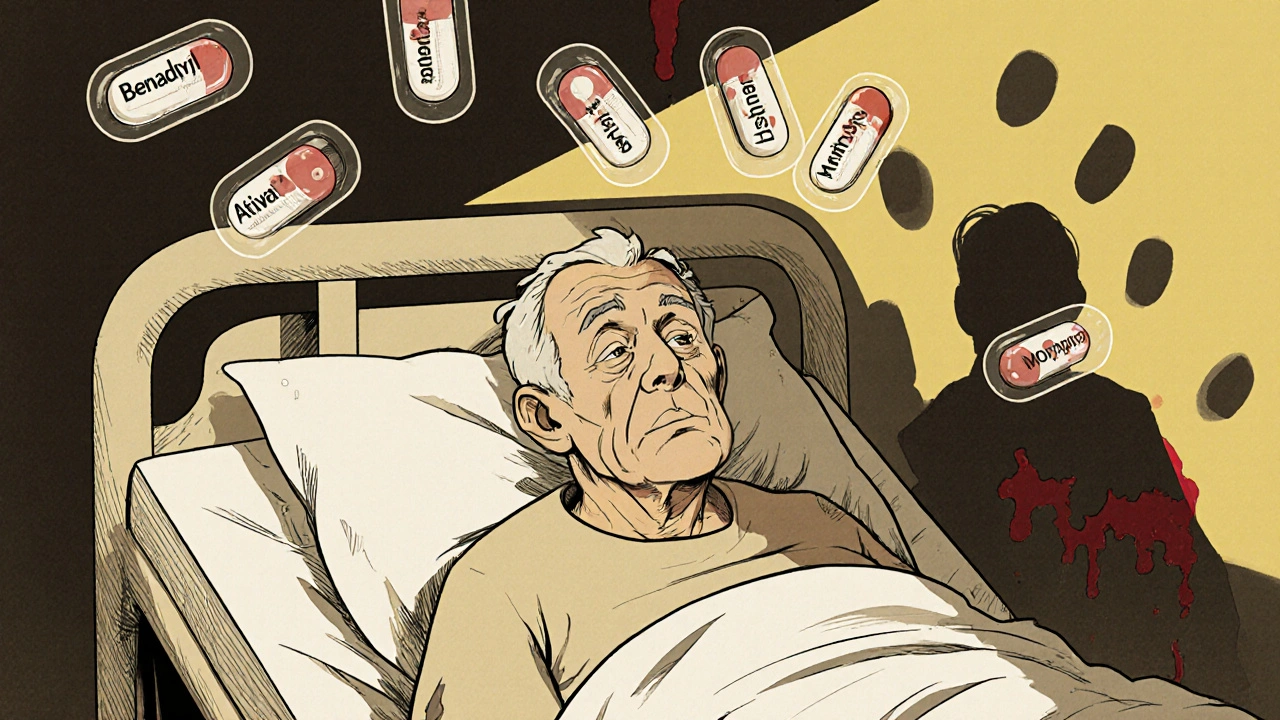
Medication-Induced Delirium in Older Adults: Signs, Causes, and How to Prevent It
9 Comments
Medication-induced delirium in older adults is a sudden, dangerous confusion often caused by common drugs like Benadryl or benzodiazepines. Learn the signs, which medications are risky, and how to prevent it before it's too late.
Read More