
Swelling in your lips, tongue, or throat might seem like a bad allergy. But if you’re on certain medications, it could be something far more dangerous - and standard allergy treatments won’t help.
What Exactly Is Medication-Induced Angioedema?
Angioedema isn’t just a rash or hives. It’s deep swelling under the skin or mucous membranes - the kind that can turn your lips into balloons, make your tongue feel too big for your mouth, or cause your throat to close up without warning. When it’s caused by medications, it’s called drug-induced angioedema. And unlike allergic reactions, it doesn’t always come with itching or redness. Sometimes, the only sign is sudden, painless swelling - and it can kill you in minutes.
The most common culprit? ACE inhibitors. These are blood pressure meds like lisinopril, enalapril, and ramipril. Around 30 to 40% of all drug-induced angioedema cases come from them. And it’s not rare. About 1 in every 200 people on these drugs will develop it. For African Americans, the risk jumps to nearly 1 in 50. Women are also more likely to be affected. And here’s the scary part: it can happen anytime. After a week. After a year. After five years of taking the pill without issue. No warning. No pattern.
Two Types of Swelling - One Critical Difference
Not all angioedema is the same. There are two main types, and mixing them up can be deadly.
The first is histaminergic angioedema. This is the classic allergic reaction. Triggered by penicillin, aspirin, NSAIDs like ibuprofen, or even certain foods. It involves mast cells releasing histamine. Symptoms often include itching, hives, and swelling. This type responds to antihistamines like diphenhydramine, steroids like prednisone, and epinephrine. If you’ve ever used an EpiPen for a bee sting, this is what it’s for.
The second is bradykinin-mediated angioedema. This is what ACE inhibitors cause. It’s not an allergy. It’s a chemical imbalance. These drugs block an enzyme that breaks down bradykinin - a protein that makes blood vessels leak fluid into tissues. The result? Swelling. But here’s the catch: antihistamines, steroids, and epinephrine do nothing for this type. Giving someone with ACE inhibitor-induced angioedema an EpiPen is like handing someone a flashlight during a power outage - it looks like you’re helping, but it won’t fix the problem.
Doctors often misdiagnose this. A 2022 survey found only 45% of primary care physicians correctly identified ACE inhibitors as the top cause of drug-induced angioedema. That means patients are getting the wrong treatment - and staying on the very drug that’s making them sick.
Warning Signs You Can’t Ignore
Swelling alone isn’t always the red flag. The real danger is when it moves into your airway. These are the signs you need to act on right now:
- Sudden swelling of the lips, tongue, or throat
- Changes in your voice - hoarse, muffled, or whispery
- Noisy breathing - a high-pitched sound called stridor
- Feeling like your throat is closing, even if you can still breathe
- Difficulty swallowing or drooling
- Fainting, dizziness, or feeling like you’re going to pass out
Abdominal swelling can also happen. That means cramps, nausea, vomiting, or severe pain - no diarrhea, no fever. Just pain. This is often mistaken for appendicitis or a stomach bug. But if you’re on an ACE inhibitor and get sudden belly pain with no other symptoms, it could be angioedema.
Studies show that 68% of people with drug-induced angioedema end up in the ER because of airway concerns. About 1 in 5 need to be intubated - a tube put down their throat to keep them breathing. And for every hour you wait, the risk of death goes up.
What Happens If You Keep Taking the Medication?
Too many people don’t realize they’ve had an episode - or they brush it off. They think, “It was just a little swelling. I’ll take an antihistamine next time.” But here’s the truth: once you’ve had one episode of ACE inhibitor-induced angioedema, your risk of another is 50%. And the next one could be worse.
Even scarier: switching to an ARB (like losartan or valsartan) won’t save you. These are often given as alternatives to ACE inhibitors. But they carry a 50% chance of triggering the same reaction. That’s not a safe swap. It’s a gamble with your airway.
There are documented cases of people having multiple attacks over years - some losing teeth from tongue swelling, others needing emergency tracheotomies. One Reddit user shared: “My doctor kept telling me it was just allergies for 3 years while I was on lisinopril. Lost 2 teeth before they finally connected the dots.”
Stopping the medication is the only way to prevent recurrence. But many patients aren’t told this. Or they’re told to “just avoid NSAIDs” and keep taking their blood pressure pill.
What Should You Do If You Suspect Angioedema?
If you’re on an ACE inhibitor or ARB and notice swelling - especially in your face, mouth, or throat - stop the medication immediately. Call 911 or go to the ER. Don’t wait. Don’t take an antihistamine and hope it goes away.
At the hospital, they’ll need to know what you’re taking. Bring your pill bottles. Tell them exactly which drugs you’ve been on, even if you think they’re unrelated. Doctors need to rule out other causes like hereditary angioedema (HAE), which is genetic and requires different treatment.
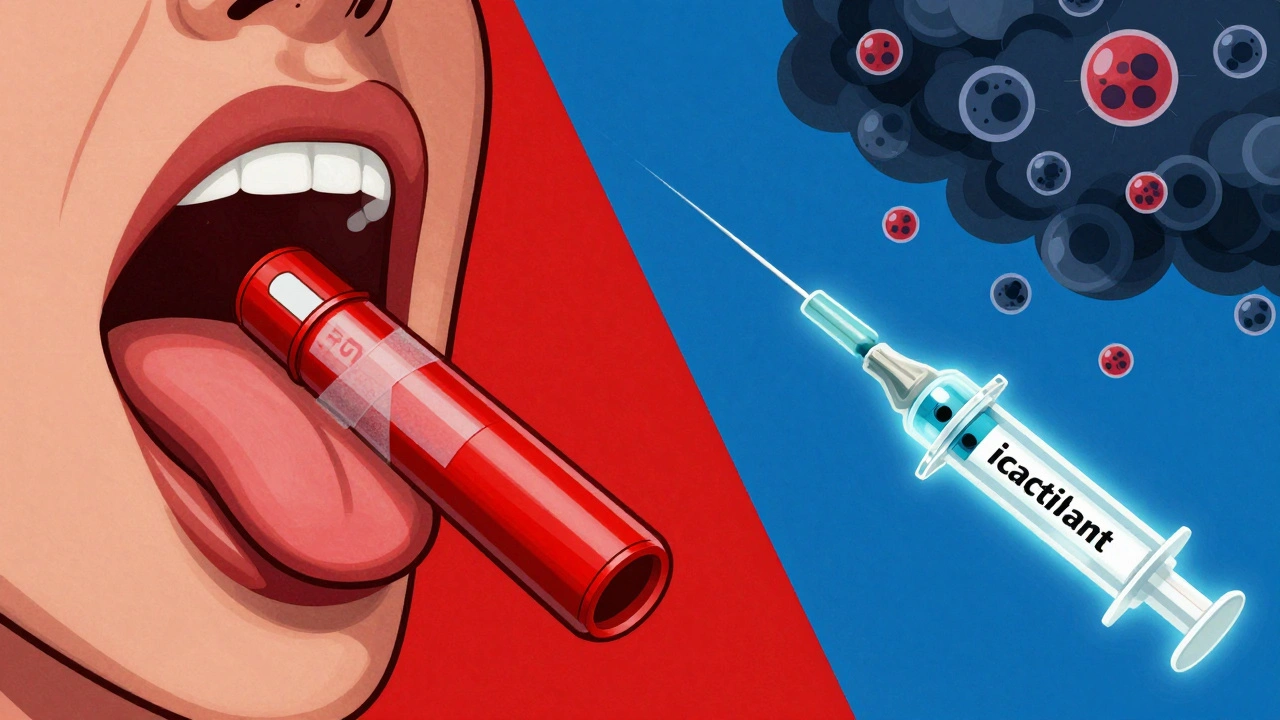
For bradykinin-mediated angioedema, the only effective treatments are specific drugs that block bradykinin: icatibant, ecallantide, or C1 inhibitor concentrate. These aren’t in every ER, but major hospitals have them. If you’ve had a known episode before, ask your doctor for a prescription for icatibant to keep at home - it’s an auto-injector like an EpiPen, but for this type of swelling.
For histaminergic angioedema, standard allergy meds work. But if you’re unsure which type you have - assume it’s the dangerous kind. Better safe than dead.
Long-Term Management and Prevention
Once you’ve had medication-induced angioedema, you need a plan. This isn’t something you can ignore.
- Stop the offender. If it’s an ACE inhibitor, never take it again. Never take an ARB unless you’ve been tested for HAE and cleared by an allergist.
- Get tested. Ask for a referral to an allergy or immunology specialist. They can help determine if you have HAE or if this was purely drug-induced.
- Carry emergency meds. If you’ve had histaminergic angioedema, carry an epinephrine auto-injector. If you’ve had bradykinin-mediated, ask about icatibant.
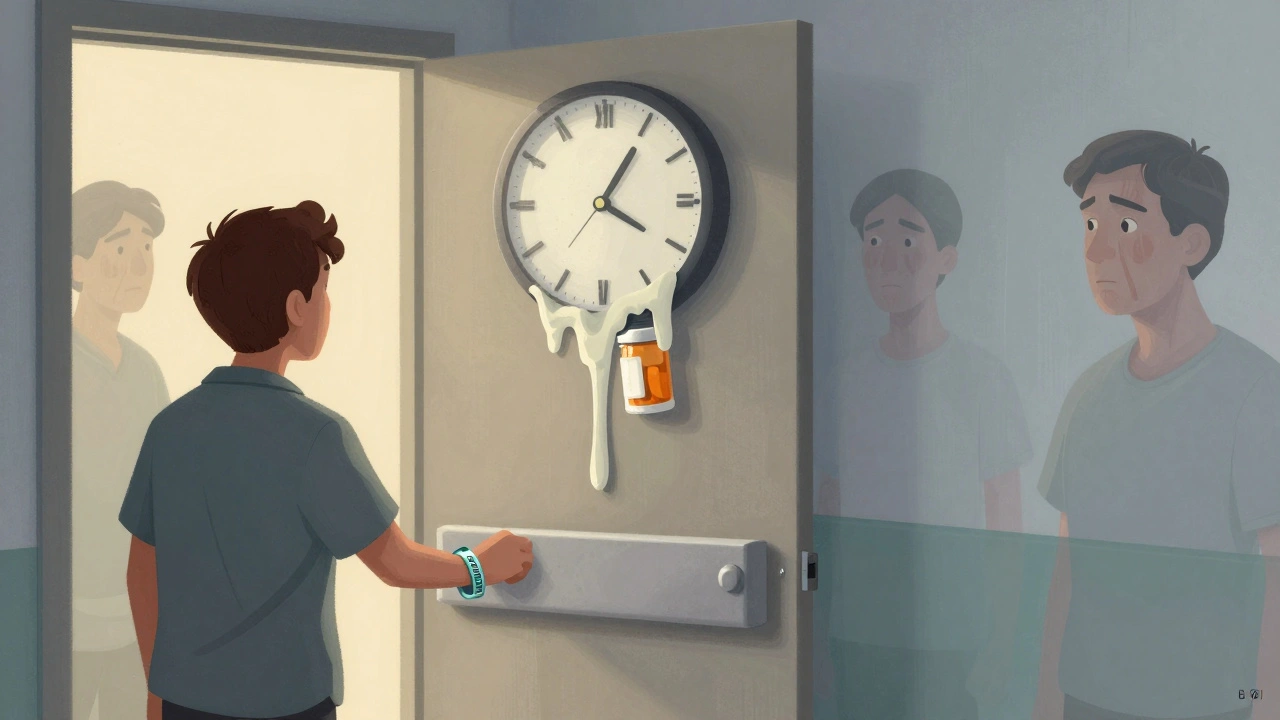
- Wear medical ID. A bracelet or necklace that says “Drug-Induced Angioedema - Avoid ACE Inhibitors and ARBs” can save your life if you’re unconscious.
- Inform all doctors. Every time you see a new provider - dentist, surgeon, ER doctor - tell them. Don’t assume they’ll check your chart.
There’s no cure for drug-induced angioedema. But it’s 100% preventable - if you know what to avoid and what to do when it happens.
The Bigger Picture
Over 50 million Americans are on ACE inhibitors. That’s a lot of people with a hidden risk. The FDA has had black box warnings on these drugs since 1999 - the strongest warning possible. Yet, they’re still first-line prescriptions for high blood pressure, heart failure, and kidney disease in diabetics.
The medical community is waking up. New guidelines from the World Allergy Organization (2023) have improved diagnosis accuracy from 65% to 89% in pilot programs. A new oral drug, sebetralstat, approved in 2023, shows promise for bradykinin-mediated cases. But awareness is still lagging. Most patients don’t know they’re at risk. Most doctors don’t know how to treat it.
Angioedema from medications isn’t a rare curiosity. It’s a silent, underdiagnosed killer. The good news? You can protect yourself. Know your meds. Know the signs. Speak up. If your lips swell - don’t wait. Don’t guess. Act.
Can antihistamines treat angioedema caused by ACE inhibitors?
No. Antihistamines, steroids, and epinephrine do not work for angioedema caused by ACE inhibitors or ARBs. This type is bradykinin-mediated, not allergic. These drugs won’t reduce the swelling and can give a false sense of safety. Only specific medications like icatibant or C1 inhibitor concentrate are effective.
Is angioedema from medications the same as hereditary angioedema?
No. Hereditary angioedema (HAE) is a genetic condition caused by a deficiency in the C1-inhibitor protein. It can be triggered by stress, injury, or certain medications, but it’s not caused by them. Drug-induced angioedema happens in people without the genetic defect. Both can cause similar swelling, but HAE requires different long-term treatments like lanadelumab or berotralstat. A specialist can test for HAE if you’ve had unexplained swelling.
Can I switch from an ACE inhibitor to an ARB if I had angioedema?
No. If you’ve had angioedema from an ACE inhibitor, switching to an ARB (like losartan or valsartan) carries a 50% risk of triggering the same reaction. ARBs work similarly and can cause bradykinin buildup. You should avoid both classes unless cleared by an allergy specialist after testing for hereditary angioedema.
How quickly does medication-induced angioedema develop?
It can happen within minutes or hours after taking the drug. For ACE inhibitors, most cases occur within the first year of use - but it can appear after 5, 10, or even 20 years. There’s no safe timeframe. Any swelling after starting a new medication should be treated as an emergency until proven otherwise.
What should I do if I experience swelling while on a blood pressure pill?
Stop taking the medication immediately. Call 911 or go to the nearest emergency room. Do not wait to see if it gets better. Do not take an antihistamine hoping it will help. Tell the medical team you’re on an ACE inhibitor or ARB. Bring your pill bottles. This is a life-threatening emergency - even if the swelling seems mild.
Comments
Lynette Myles December 5, 2025 at 06:27
ACE inhibitors are a FDA cover-up. They knew about the bradykinin link since the 80s. The pharma lobby buried the data. Millions are on these pills because doctors are paid to prescribe them. Your lips swell? You’re not allergic. You’re being poisoned by a billion-dollar scam.
Krishan Patel December 6, 2025 at 08:49
It is not merely a medical issue-it is a moral failure of Western medicine. We treat symptoms with chemicals while ignoring the sacred balance of the human body. Why do we trust molecules over wisdom? This is not science-it is corporate idolatry disguised as healing.
sean whitfield December 6, 2025 at 14:55
So let me get this straight. You take a pill for blood pressure and suddenly your tongue turns into a balloon? And the cure is… another pill? Genius. Just give me a tinfoil hat and a vial of iodine and we’re good to go.
Carole Nkosi December 8, 2025 at 04:43
They don’t want you to know this because it means they’ve been killing people for decades. Your doctor doesn’t care. Hospitals don’t care. They’re too busy billing for ER visits to admit they got it wrong. Wake up.
Stephanie Bodde December 9, 2025 at 05:59
This is so important!! 💪 Please share this with everyone you know. I had a cousin who almost died and no one knew why. Now she’s off lisinopril and breathing easy. You’re not alone, and you deserve to be safe. ❤️
Philip Kristy Wijaya December 10, 2025 at 15:10
One must consider the ontological implications of pharmaceutical hegemony wherein the body is reduced to a biochemical algorithm and the physician becomes a mere conduit for corporate directives. The tragedy lies not in the drug but in the epistemic collapse of medical authority
Jennifer Patrician December 11, 2025 at 18:44
They’re testing this on Black people on purpose. Look at the stats. 1 in 50? That’s not coincidence. That’s genocide with a prescription pad. Who profits? Who owns the FDA? Who funds the trials? You think they care if you die slow?
Mellissa Landrum December 12, 2025 at 09:20
my doc told me it was allergies for 3 yrs. i lost 2 teeth. now i know. they dont care. just give you more pills. fuck the system.
Manish Shankar December 13, 2025 at 17:22
Thank you for this meticulously researched and profoundly necessary exposition. The clinical clarity presented here is a beacon in an ocean of medical misinformation. One can only hope that this knowledge permeates the corridors of medical education and regulatory oversight with the urgency it deserves.