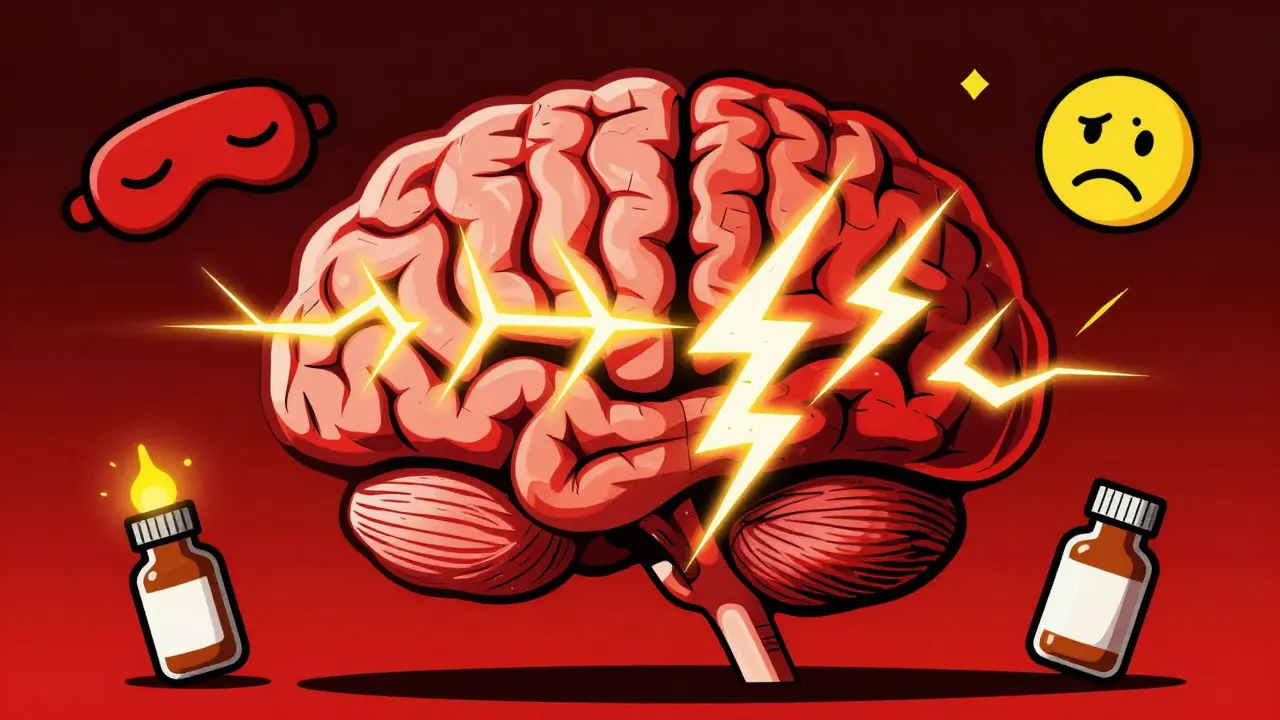
When someone has a seizure, it’s not just a moment of confusion or shaking. It’s the brain’s electrical system going off-track - and for people with epilepsy, this happens repeatedly. Epilepsy isn’t one thing. It’s a group of conditions tied to how the brain fires signals. The epilepsy diagnosis isn’t made after one seizure. It’s made when seizures keep coming without a clear cause like a head injury, infection, or drug reaction. The International League Against Epilepsy (ILAE) says you need at least two unprovoked seizures more than 24 hours apart, or one seizure with a high chance of more. About 50 million people worldwide live with this, and in the U.S., that’s 3.4 million. Yet many still get misdiagnosed - sometimes for years.
How Seizures Are Classified Now (2025 Update)
The way doctors label seizures changed in 2025. It’s simpler now. No more confusing terms like ‘partial’ or ‘complex partial.’ Instead, seizures are grouped into four main types: focal, generalized, unknown onset, and unclassified. This isn’t just a name change - it’s a shift in how doctors think about what’s happening in the brain.
Focal seizures start in one area of the brain. They used to be called ‘partial.’ Now, they’re split into two: aware and impaired awareness. If you’re having a focal aware seizure, you know what’s happening - maybe you smell burning rubber, feel a rising sensation in your stomach, or your hand twitches. You’re still alert. These make up about 25% of focal seizures. The other 75% are focal impaired awareness. You might stare blankly, fumble with your clothes, or repeat words without meaning to. You won’t remember it later. These are often mistaken for daydreaming or panic attacks.
Generalized seizures hit both sides of the brain at once. There are six main types here: absence (brief staring spells, common in kids), myoclonic (sudden jerks, often in the arms), tonic (muscles stiffen), clonic (repetitive jerking), tonic-clonic (the classic ‘grand mal’ - stiffening then shaking), and atonic (sudden loss of muscle tone, leading to falls). Childhood absence epilepsy alone makes up 10-17% of all childhood epilepsy cases.
Some seizures don’t fit neatly. Maybe no one saw it. Maybe the EEG is unclear. That’s where ‘unknown onset’ comes in. And if there’s not enough data at all? It’s ‘unclassified.’ This matters because treatment depends on knowing the type. A drug that works for tonic-clonic seizures might do nothing for absence seizures.
What Causes Seizures to Happen?
Triggers aren’t the same for everyone. But some show up again and again. Sleep deprivation is the big one. Skip a night of sleep, and your brain becomes more likely to misfire. That’s why people with epilepsy are told to stick to a sleep schedule - even on weekends.
Stress? Yes. Not just emotional stress - physical stress like illness, surgery, or even a bad bout of the flu can lower the seizure threshold. Hormones matter too. About 40% of women with epilepsy notice more seizures around their period. This is called catamenial epilepsy. It’s tied to how estrogen and progesterone affect brain activity.
Flashing lights? Only about 3% of people with epilepsy are truly photosensitive. But it’s still a real trigger. Think strobe lights at clubs, video games with rapid flickering, or even sunlight bouncing off water. Most people don’t need to avoid all screens, but they should use filters or reduce brightness if they notice a pattern.
Alcohol and drugs are risky. Even one drink can lower the seizure threshold in some people. Withdrawal from alcohol or benzodiazepines can also trigger seizures - which is why detox needs medical supervision.
Medication non-adherence is the most common preventable cause. If you miss doses, your drug levels drop. That’s when breakthrough seizures happen. Studies show people who miss even one dose a week have a 40% higher chance of having a seizure.
And then there’s the tricky stuff: infections, low blood sugar, electrolyte imbalances, or even certain medications like antidepressants or stimulants. That’s why keeping a seizure diary - noting sleep, stress, food, meds, and timing - is one of the most powerful tools you have.
Antiepileptic Medications: What Works and What Doesn’t
There are over 30 antiepileptic drugs (AEDs) approved in the U.S. But not all are created equal. The right one depends on your seizure type, age, gender, other health issues, and even how your body processes the drug.
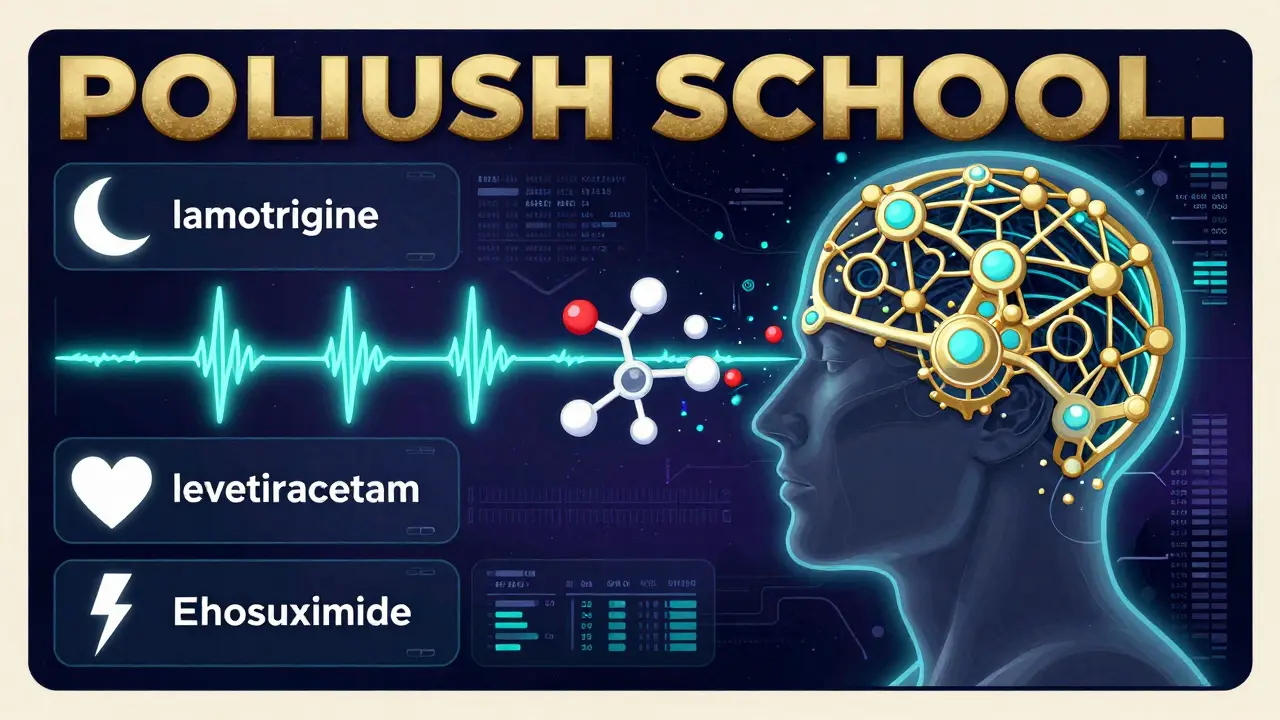
For focal seizures, the go-to first-line drugs are lamotrigine, levetiracetam, and lacosamide. Lamotrigine is often preferred for women of childbearing age because it has a lower risk of birth defects compared to valproate. Levetiracetam is easy to use - no blood tests needed, and it’s well tolerated. Lacosamide is newer and good for people who don’t respond to the others.
For generalized seizures, it’s different. Valproate used to be the gold standard, but it’s now avoided in women and teens because of serious side effects: weight gain, liver damage, and polycystic ovary syndrome. Instead, lamotrigine and levetiracetam are first choice. For absence seizures, ethosuximide is the most effective. For myoclonic seizures, valproate or levetiracetam are used - but again, valproate comes with risks.
Some drugs work for both types. Topiramate and zonisamide are broad-spectrum. But they come with side effects: brain fog, memory trouble, kidney stones, or tingling in fingers. That’s why doctors don’t start with them unless the simpler ones fail.
Drug levels matter. AEDs need to be in your blood at the right level. Too low? Seizures return. Too high? Side effects pile up. Blood tests are common, especially when starting a new drug or adjusting the dose. But here’s the catch: some people respond to low levels, others need high ones. It’s not one-size-fits-all.
And then there’s the problem of resistance. About 30% of people with epilepsy don’t get full control with medication. That’s called drug-resistant epilepsy. It’s not because they’re ‘non-compliant.’ It’s because their brain’s wiring doesn’t respond to current drugs. For them, options like surgery, nerve stimulation (VNS, RNS), or the ketogenic diet become next steps.
Why Misclassification Costs Time - and Seizures
Doctors get it wrong more often than you think. A 2023 study found 15-20% of epilepsy cases are misclassified at first. The most common mix-up? Calling a focal seizure a generalized one. Temporal lobe seizures - where the person stares, swallows, or fumbles - are often mistaken for absence seizures. That leads to the wrong drug. Prescribing ethosuximide for a focal seizure? It won’t work. And delaying the right treatment means more seizures, more brain changes, and more risk of injury.
People with combined generalized and focal epilepsy - a category added in 2017 - are especially vulnerable. They’re often labeled as just one type at first. That delays the right combo of meds. One study showed 41% of these patients had treatment delays because of misclassification. Their seizures kept coming, and their quality of life suffered.
Psychogenic non-epileptic seizures (PNES) are another trap. These look like epileptic seizures - shaking, loss of awareness - but they’re not caused by brain electrical activity. They’re linked to stress, trauma, or mental health. About 20-30% of people referred to epilepsy centers have PNES. The mistake? Giving them antiepileptic drugs that don’t help - and missing the therapy they actually need.
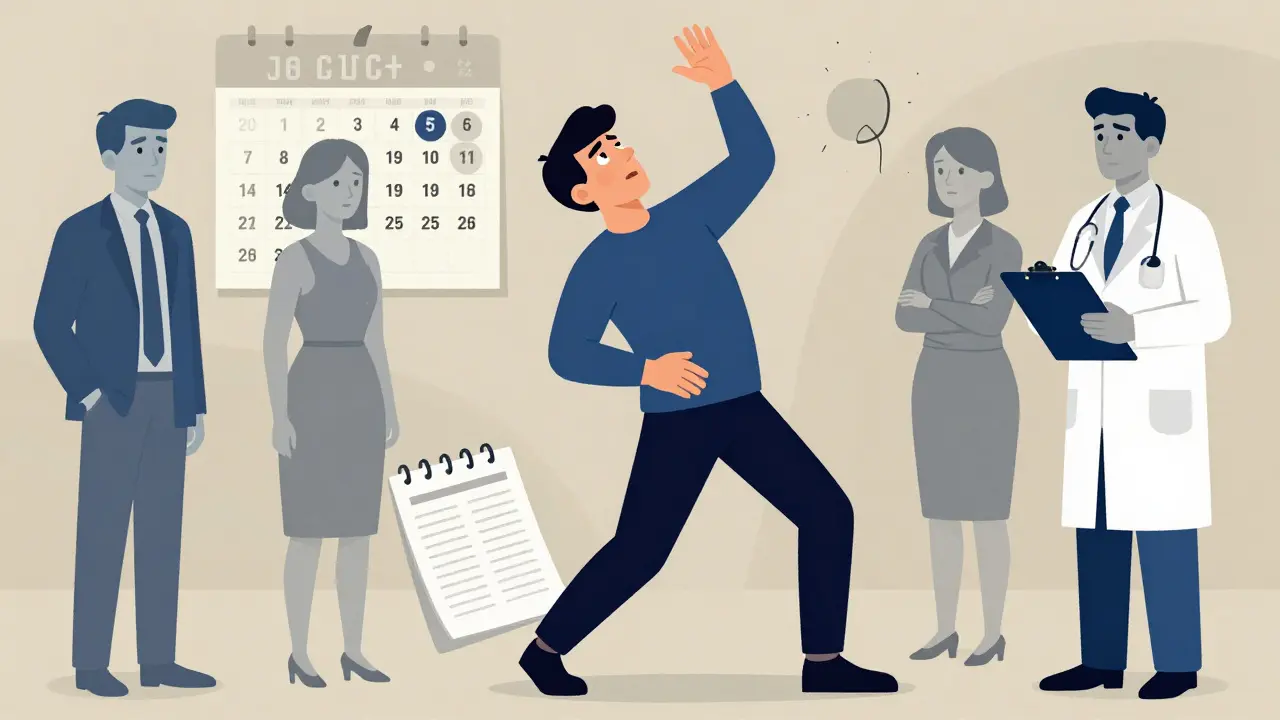
That’s why eyewitness accounts matter. A partner, parent, or coworker who saw the seizure can describe whether the person’s eyes were rolling, if they bit their tongue, or if they were stiff or jerking. That’s more valuable than a patient’s memory - because during a seizure, you don’t remember anything.
What’s Changing in Epilepsy Care
The 2025 ILAE update didn’t just change names. It changed how we treat. The new system is designed for real-world use - not just for neurologists in big hospitals. A 2023 study showed diagnostic accuracy jumped from 68% to 83% when doctors used the updated guidelines. That’s huge. It means fewer wrong prescriptions, fewer hospital visits, and better outcomes.
Technology is catching up. AI tools are being tested to analyze EEGs and predict seizure types. Early versions can help primary care doctors - who don’t have EEG expertise - make better referrals. A beta tool released in late 2025 improved accuracy by 18% for non-specialists. That’s a game-changer in rural areas where neurologists are scarce.
Genetics is the next frontier. We now know that over 500 genes are linked to epilepsy syndromes. Some kids with severe epilepsy have mutations in genes like SCN1A or CDKL5. Knowing that can change treatment - for example, avoiding sodium channel blockers in SCN1A-related Dravet syndrome because they can make seizures worse.
The future isn’t just about better drugs. It’s about better matching. We’re moving toward precision medicine: using genetic data, EEG patterns, and seizure history to pick the right drug from day one. That’s still years away for most people. But it’s coming.
What Patients Need to Know
If you or someone you love has epilepsy, here’s what you can do:
- Keep a seizure diary - note date, time, what happened before, during, and after. Use an app or paper. Consistency matters.
- Don’t skip meds. Set phone alarms. Use pill organizers. Missing doses is the #1 reason seizures keep happening.
- Ask for an EEG within 72 hours of your first seizure. It’s not optional - it’s essential.
- Find a neurologist who specializes in epilepsy. General neurologists can manage it, but specialists know the latest updates and treatment nuances.
- Bring someone who saw your seizure to your appointment. Their description is gold.
- If a drug isn’t working after 2-3 months, talk about switching. Don’t wait. Every seizure changes the brain.
- Know your triggers. Sleep, stress, alcohol - track them. Avoid what you can.
There’s hope. More than 70% of people with epilepsy can get their seizures under control with the right treatment. It’s not always easy. But with accurate classification, the right meds, and good support, many live full, active lives.
What’s the difference between a seizure and epilepsy?
A seizure is a single event - a burst of abnormal electrical activity in the brain. Epilepsy is a diagnosis given when someone has a tendency to have repeated seizures without a clear trigger like a head injury or infection. You need at least two unprovoked seizures more than 24 hours apart to be diagnosed with epilepsy.
Can epilepsy be cured?
For some people, yes. If seizures stop after 2-5 years on medication and EEGs show no abnormal activity, doctors may slowly reduce and stop meds. About 70% of people achieve long-term seizure freedom. For others, especially those with structural brain changes or genetic causes, epilepsy is lifelong - but it can still be well-controlled.
Are antiepileptic drugs safe during pregnancy?
Some are, some aren’t. Valproate carries a high risk of birth defects and is avoided in women who could become pregnant. Lamotrigine and levetiracetam are considered safer options. Always talk to your neurologist and OB-GYN before getting pregnant. Never stop meds on your own - uncontrolled seizures during pregnancy are dangerous for both mother and baby.
Why do some people still have seizures on medication?
About 30% of people have drug-resistant epilepsy. Their brain circuits don’t respond to current drugs. It’s not because they’re not trying. For them, options include surgery to remove the seizure focus, implanted devices like vagus nerve stimulators, or special diets like the ketogenic diet. Newer treatments are being tested, including gene therapies and targeted drugs.
Can stress cause epilepsy?
Stress doesn’t cause epilepsy, but it can trigger seizures in people who already have it. Severe trauma or chronic stress can also lead to psychogenic non-epileptic seizures (PNES), which look like epileptic seizures but aren’t caused by brain electrical activity. These require psychological treatment, not anti-seizure meds.
How do I know if I’m having a focal or generalized seizure?
Focal seizures start in one part of the brain - you might feel a strange smell, tingling, or emotion, or you might stare blankly. Generalized seizures affect the whole brain - you lose awareness, stiffen, jerk, or fall suddenly. An EEG and detailed description from someone who saw it are the best ways to tell. Never assume - misclassification leads to wrong treatment.
Comments
saurabh singh January 4, 2026 at 09:05
Man, I wish my cousin in Delhi had this info five years ago. They kept getting misdiagnosed as having panic attacks - turns out it was focal impaired awareness seizures. Now they’re on levetiracetam and actually sleeping through the night. No more ‘daydreaming’ excuses from school.
Peyton Feuer January 5, 2026 at 21:19
soooo… if you miss a dose do you just like… suddenly seize? like no warning? that’s wild. i thought it was more like ‘oh i feel weird’ then boom. also why is valproate bad for women?? just curious lol
Vikram Sujay January 7, 2026 at 05:25
It is not merely a matter of pharmacological intervention, but rather a profound reorientation of epistemological frameworks surrounding neurological phenomenology. The 2025 ILAE taxonomy represents a paradigmatic shift from symptom-based classification to neurofunctional ontology - thereby privileging the primacy of cortical network dynamics over localized foci. This ontological recalibration, while ostensibly simplifying diagnostic nomenclature, inadvertently obscures the heterogeneity of epileptogenic mechanisms, particularly in comorbid psychiatric presentations. One must therefore remain vigilant against the seduction of categorical reductionism.
Clint Moser January 9, 2026 at 00:31
they’re hiding the real cause. it’s not the brain - it’s the 5g towers and the fluoride in the water. they’ve been testing these drugs on people for decades to see how much damage they can do before they admit the truth. watch the EEGs - they’re not random spikes, they’re synced to cell towers. the pharmaceutical companies own the ilae. you think they want you cured? nah. they want you on meds forever.
Ashley Viñas January 9, 2026 at 11:33
Ugh. I can’t believe people still don’t know that stress doesn’t cause epilepsy. Like, wow. Just because you’re anxious doesn’t mean your brain is misfiring. Also, why are we still talking about the ketogenic diet like it’s magic? It’s just a fancy version of ‘eat less sugar’ - and no, I don’t want your kale smoothie.
Mandy Kowitz January 10, 2026 at 17:46
so you’re telling me i’ve been having seizures since college and i just thought i was ‘zoning out’ during lectures? lol. also why is this article 10 pages long? can’t we just say ‘take your pills and stop drinking’?
Justin Lowans January 10, 2026 at 19:59
This is one of the most lucid, meticulously structured overviews of epilepsy classification I’ve encountered in years. The shift toward neurofunctional taxonomy is not merely administrative - it is a moral imperative for equitable care. I especially appreciate the emphasis on eyewitness accounts; too often, patient recollection is prioritized over objective observation, leading to cascading diagnostic errors. Kudos to the authors.
Michael Rudge January 10, 2026 at 22:43
Oh please. You’re telling me the ‘new’ classification system isn’t just corporate jargon dressed up as science? They renamed ‘complex partial’ to ‘focal impaired awareness’ so they could sell more EEG machines and charge $800 for a ‘specialist consult.’ Meanwhile, people in rural areas still get told it’s ‘just anxiety.’
Doreen Pachificus January 12, 2026 at 15:18
Wait - so if someone has a seizure and doesn’t remember it, how do they even know they had one? Do people just wake up confused and say ‘huh, weird’? That’s wild.
Cassie Tynan January 14, 2026 at 09:07
So basically, the whole medical system is just guessing until someone’s friend says ‘they were staring and chewing their tongue.’ Then suddenly - oh, it’s epilepsy. What a system. We’re diagnosing brains with gossip.
Vicki Yuan January 15, 2026 at 07:26
I’ve been on lamotrigine for 7 years. No seizures. No brain fog. Just a little tingling in my toes. I used to think it was just ‘bad luck’ - now I know it was bad info. The key? Consistency. Set three alarms. One for morning, one for night, one for ‘you forgot again.’ And yes, I’m the weirdo who carries extra pills in my purse. Don’t judge me.
Uzoamaka Nwankpa January 15, 2026 at 14:44
My sister had a seizure at work. They called an ambulance. No one knew what to do. They said she was ‘acting strange.’ No one asked if she had epilepsy. No one asked if she slept. I cried for three days. This article helped me understand why they didn’t help her. I’m still angry.
Chris Cantey January 15, 2026 at 19:45
It’s ironic. We spend billions mapping the human genome, yet we still treat epilepsy like a 19th-century mystery. We know genes cause it. We know triggers. We know drugs fail. But we keep prescribing the same ones. Why? Because the system rewards inertia. Not cure.
Akshaya Gandra _ Student - EastCaryMS January 17, 2026 at 10:21
i’m a student and i think this is so cool but i have a q: if you have a seizure in class and you don’t remember it, how do you tell your teacher? like… do you just say ‘hey i think i zoned out’? and also i think the EEG thing is wild but what if you don’t have insurance??