Decongestant Safety Checker
Select your health profile and the type of medication you are considering to see the potential cardiovascular impact.
1. Your Health Profile
2. Medication Type
What happens in the body:
Recommended Action:
Safe Alternatives for You:
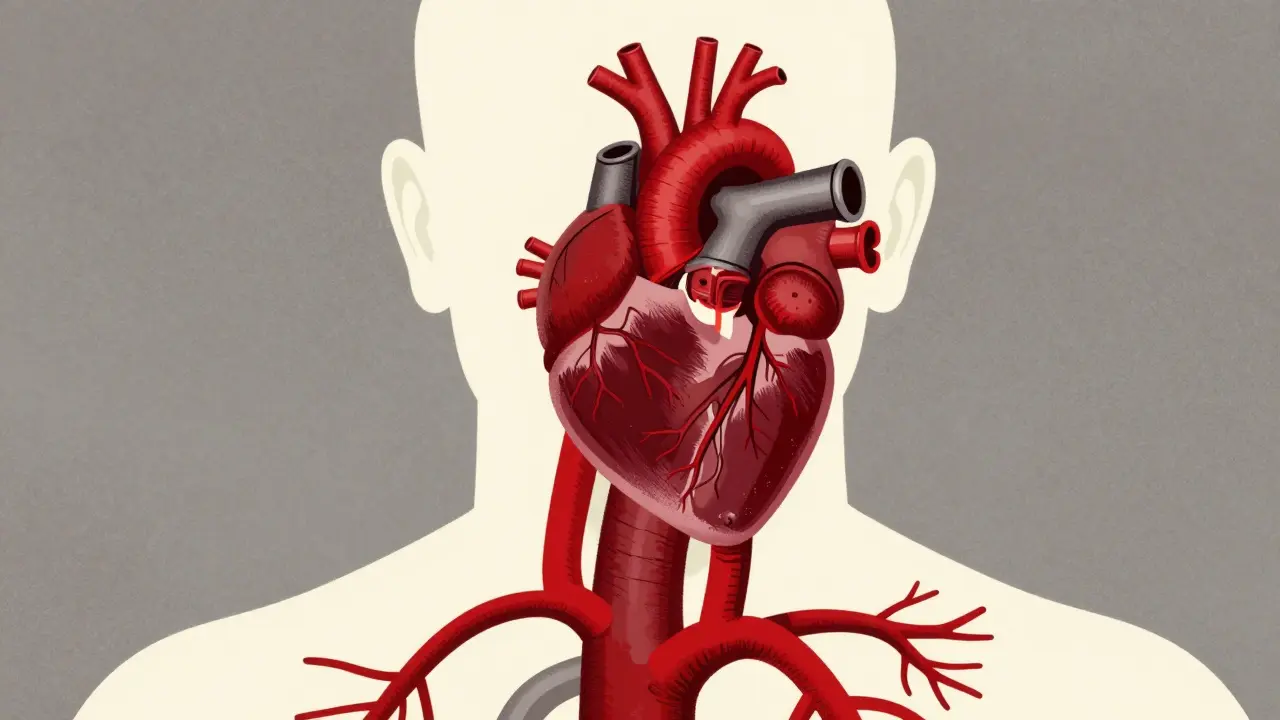
Getting a stuffed-up nose during flu season is a nuisance, but for someone with a heart condition, reaching for a common over-the-counter spray or pill can be a dangerous gamble. Many people assume that a simple cold medicine is harmless, but decongestants and heart disease have a volatile relationship. These drugs don't just clear your sinuses; they send a signal to your entire cardiovascular system to tighten up, which can push a fragile heart or high blood pressure over the edge.
How Decongestants Actually Work in Your Body
To understand the risk, you have to look at what these drugs actually do. Decongestants is a class of medications that act as alpha-adrenergic agonists, meaning they stimulate specific receptors in the blood vessels to cause vasoconstriction . When you use them, the blood vessels in your nasal passages shrink, which reduces swelling and lets you breathe.
The problem is that your body doesn't always keep this effect localized to your nose. These chemicals can enter your bloodstream and cause blood vessels elsewhere to constrict too. For a healthy person, this might just cause a bit of jitteriness. But for someone whose arteries are already narrow or whose heart is struggling to pump, this systemic tightening increases the pressure the heart has to fight against. Essentially, you're asking a struggling pump to push fluid through pipes that have suddenly become much smaller.
Oral vs. Topical: Which One is Riskier?
Not all decongestants enter the body the same way. You generally find them in two forms: oral pills and topical sprays. While both carry risks, they affect your heart and blood pressure differently.
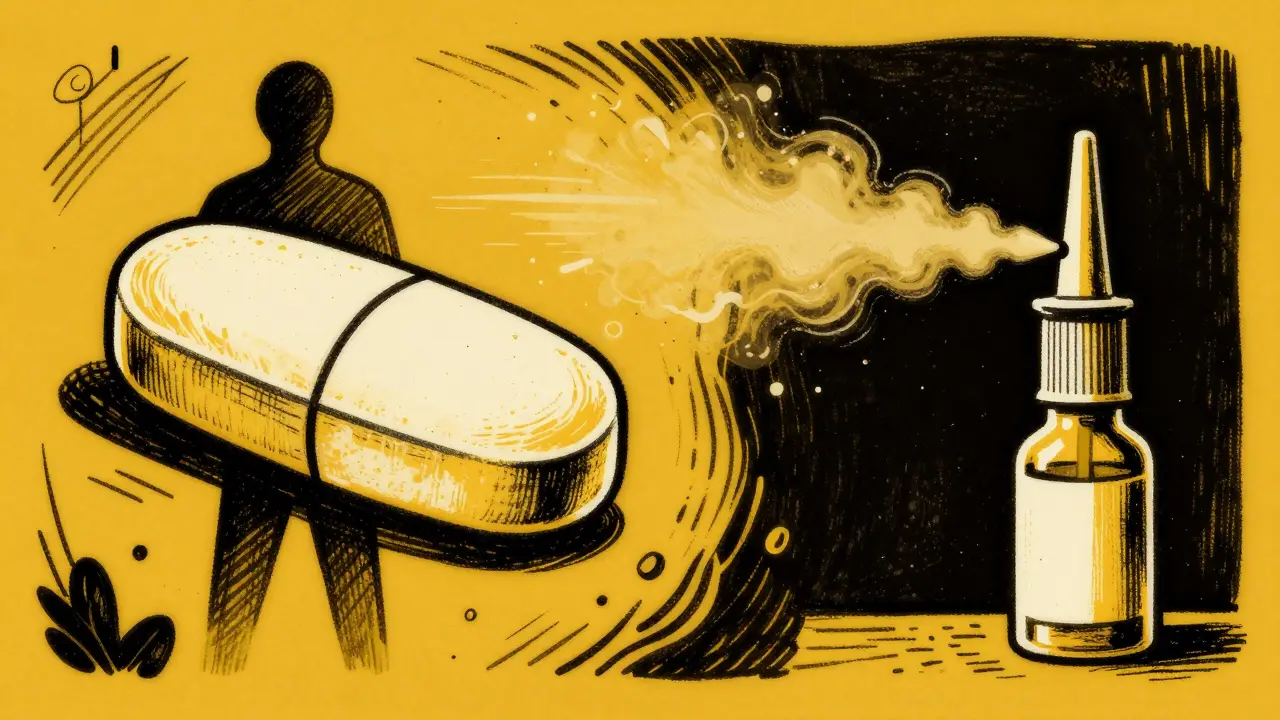
Pseudoephedrine (often sold as Sudafed) and Phenylephrine are the most common oral options. Because they are swallowed, they are absorbed systemically. Research has confirmed that these can cause a significant jump in systolic blood pressure. In some extreme cases, even pediatric doses of phenylephrine have been shown to induce hypertension in children where no other cause was found.
Topical options, like Oxymetazoline (Afrin) or Naphazoline, act more locally. While they have a lower impact on blood pressure for most people, they aren't totally safe. Some studies show a noticeable increase in heart rate after a week of use. There are even rare but terrifying reports of malignant hypertensive crises and heart failure in adults who used topical sprays in excessive, "supra-therapeutic" doses. This proves that even a spray can potentially trigger a cardiac event if used incorrectly.
| Type | Common Examples | Primary Cardiovascular Effect | Risk Level for Heart Patients |
|---|---|---|---|
| Oral (Systemic) | Pseudoephedrine, Phenylephrine | Increased systolic blood pressure, heart rate spikes | High |
| Topical (Local) | Oxymetazoline, Naphazoline | Mild heart rate increase; rare severe hypertensive crisis | Moderate |
Who is Most at Risk?
If your heart is healthy and your blood pressure is normal, a decongestant is usually fine. However, certain groups should avoid these medications entirely. Medical experts generally point to four high-risk categories:
- Uncontrolled Hypertension: If your blood pressure is already high and not well-managed by medication, a decongestant can spike it to dangerous levels, increasing the immediate risk of a stroke.
- Heart Failure: When the heart can't pump efficiently, adding the stress of vasoconstriction can lead to decompensation, where the heart fails to meet the body's needs.
- Arrhythmia: People prone to irregular heartbeats may find that these stimulants trigger dangerous rhythms, such as ventricular tachycardia.
- Prinzmetal Angina: Since this condition involves spasms of the coronary artery, using a drug that causes vessels to constrict is particularly dangerous.
It is also worth noting that being sick itself is a stressor. Fighting a viral infection raises your heart rate and causes inflammation. When you combine a respiratory infection with a vasoconstrictor, you create a "perfect storm" for a cardiovascular event. One study highlighted that patients with heart attack history who used certain inflammatory-reducing meds while sick were significantly more likely to suffer another heart attack within a week.
The Role of the Pharmacist and the Label
Have you ever noticed that pseudoephedrine is kept behind the pharmacy counter instead of on the open shelf? While some of this is to prevent the illegal manufacture of meth, it serves a vital medical purpose: screening. The pharmacist is the last line of defense. They are trained to ask if you have hypertension or heart disease before handing over the medication.
If you are buying a product that isn't behind the counter, you must be your own advocate. Always check the "Drug Facts" label. Almost every decongestant carries a warning advising people with high blood pressure or heart disease to consult a doctor first. If you see "Consult a physician if you have hypertension," take it seriously. It's not just a legal disclaimer; it's a safety warning based on how these chemicals interact with your arteries.
Safe Alternatives for Heart Patients
You don't have to suffer through a blocked nose just because you have a heart condition. There are several ways to get relief without stressing your cardiovascular system.
- Saline Nasal Sprays: These are just salt water. They help thin mucus and clear passages without any active chemicals affecting your blood vessels.
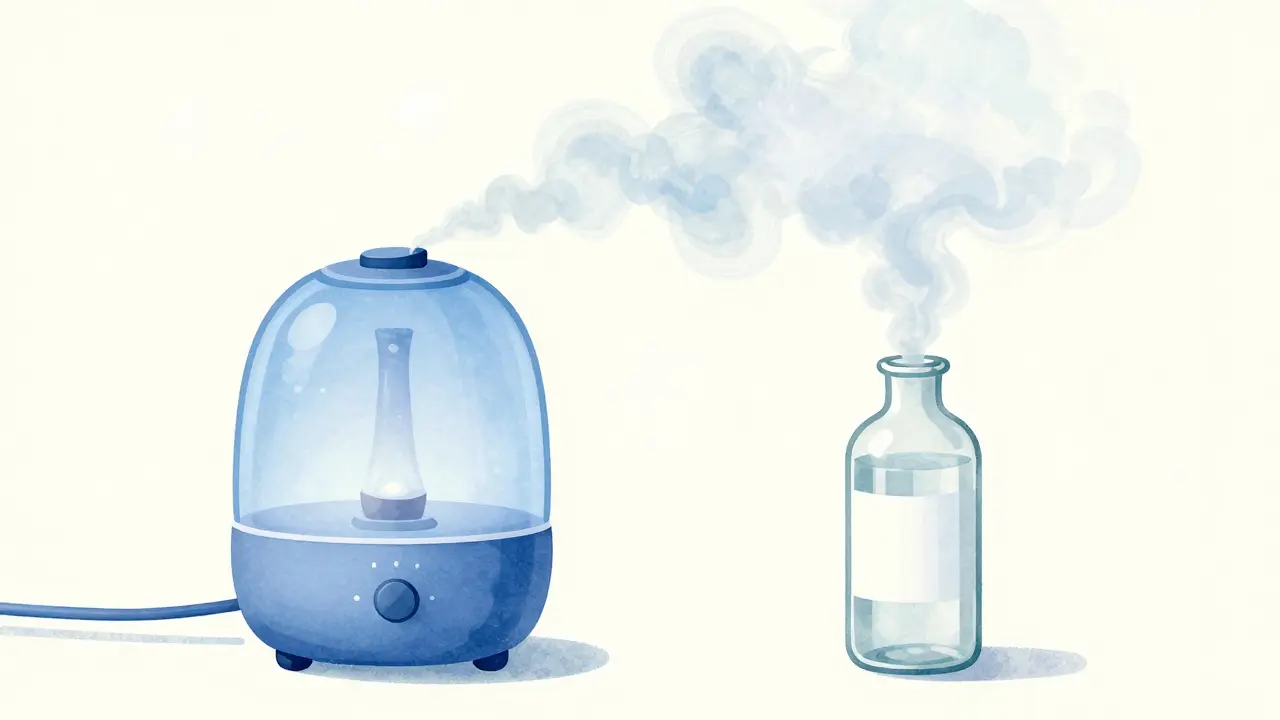
- Humidifiers: Adding moisture to the air prevents your nasal passages from drying out and helps mucus drain naturally.
- Guaifenesin: This is an expectorant (found in Mucinex) that thins mucus in the chest and throat. Unlike decongestants, it doesn't constrict blood vessels.
- Warm Compresses: A warm, damp cloth over the sinuses can help relieve pressure and open passages through heat rather than chemistry.
If the congestion is severe, it's better to treat the root cause. If it's an allergy, a nasal steroid or a non-stimulating antihistamine may be safer, but you should always run these by your cardiologist first to ensure they don't interfere with your current prescriptions.
Can I use a decongestant if my blood pressure is controlled with meds?
In many cases, people with well-controlled hypertension may experience only a minimal increase in blood pressure. However, this is still a risk. Even if your numbers are steady now, a decongestant can temporarily override your medication, causing a spike. You should always check with your doctor before using one.
Are nasal sprays safer than pills for heart patients?
Generally, yes, because they act more locally. However, they are not risk-free. Some topical decongestants can still increase heart rate or, in extreme cases of overuse, lead to severe hypertensive crises. Saline sprays are the only truly "safe" nasal option for those with severe cardiac issues.
What is the difference between an expectorant and a decongestant?
An expectorant, like guaifenesin, thins the mucus in your lungs and throat so you can cough it up. A decongestant shrinks the blood vessels in your nose to reduce swelling. Expectorants do not constrict blood vessels and are generally much safer for people with heart disease.
Why does pseudoephedrine increase blood pressure?
Pseudoephedrine mimics the effects of adrenaline by stimulating alpha-adrenergic receptors. This causes the smooth muscles in your blood vessel walls to contract, narrowing the space for blood to flow. To keep blood moving through these narrower pipes, the heart has to pump harder, which raises the blood pressure.
Can a cold medicine trigger a heart attack?
While unlikely for a healthy person, it is possible for someone with pre-existing coronary artery disease. The combination of the stress of a viral infection and the vasoconstriction caused by a decongestant can reduce oxygen flow to the heart muscle and trigger a myocardial infarction (heart attack).